The academician helped the railway to speed up six times and let China high-speed rail lead the world.

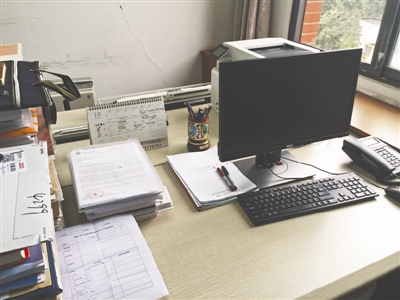
  "The office can be said to be Mr. Zhai’s second home. Even on New Year’s Day 29, the school was empty, and firecrackers were set off outside. He had to work in the office until eight or nine in the evening before he would leave."

  People/things/interfaces/introductions

  Zhai Wanming

  Jingjiang, Jiangsu, academician of China Academy of Sciences, chief professor of Southwest Jiaotong University, Changjiang scholar distinguished professor, representative of the 19th National Congress. He is also the winner of the first prize of the National Science and Technology Progress Award, the Heliang Heli Science and Technology Innovation Award, the first prize of the Changjiang Scholar Achievement Award, the national outstanding teacher, the national May 1st Labor Medal and the national innovation first prize.

  Work as usual on holidays

  For more than 20 years, the thunder can’t move.

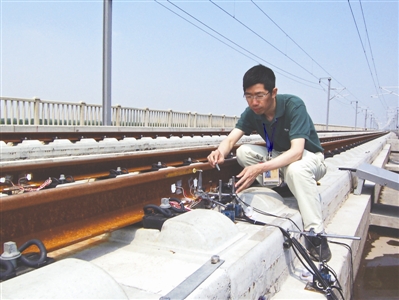
  During the past long vacation, most people either went out for a tour or took a rest at home, but on the campus of Southwest Jiaotong University, Zhai Wanming still arrived at the office on the fourth floor of the State Key Laboratory of Traction Power of Southwest Jiaotong University before 9: 00 as usual, turned on the computer and started his day’s work. In fact, not only the National Day, including New Year’s Day, Dragon Boat Festival, Mid-Autumn Festival, and most weekends, except for the necessary business trips, you can almost see his thin silhouette at the office door — — If not, it’s probably in the lab on the first floor.

  Working as usual on holidays has been Zhai Wanming’s unshakable habit for more than 20 years. He devoted 90% of his time to his work. It is precisely because of his enthusiasm and devotion to his work that Zhai Wanming has made a series of great achievements in rail transit. Its pioneering railway large-scale system dynamics theory and vehicle-track coupling model have been widely used in engineering, creating significant economic and social benefits, boosting the six-time speed-up and high-speed development of the national railways, and leading China high-speed railway to the world.

  Facing the praise of "the practitioner of China railway speed increase", Zhai Wanming said humbly, "I just did what a scientific researcher and a communist party member should do."

  one

  Innovation comes from persistence.

  Think boldly and never give up.

  Back to more than 20 years ago, in the early 1990s, China’s railway technology was still relatively backward, and the contradiction between transportation capacity and traffic volume was prominent, and the train speed needed to be improved urgently. Zhai Wanming was only a doctoral student.

  In the doctoral project, Zhai Wanming creatively put forward the idea of "vehicle-track coupling dynamics" in the later famous industry. "At that time, there were vehicle dynamics and track dynamics in the academic circles. One was to study the dynamics above the track, and the other was to study the dynamics below the track. I wanted to study them as a unified whole. Once successful, it would speed up the development of China Railway and provide theoretical support for security."

  However, the idea of "vehicle-track coupling dynamics" was blank at that time, which was equivalent to a wasteland where no one set foot. It is still unknown whether it will work. Based on the scientific spirit of bold hypothesis and careful verification, Zhai Wanming plunged into a long and unknown scientific research journey. "I first model according to the theory, and then program and calculate according to the model. At that time, the computer was running too slowly, and the data entered the night before could not be seen until the next morning. " During that time, Zhai Wanming spent all day in the laboratory except eating and sleeping.

  However, the research is not smooth. "The calculation results show that the wheels will fly out of the track. This indicates the failure of the idea. " The research work got stuck. Zhai Wanming didn’t know what went wrong, so he had to check tens of thousands of computer languages next to each other for several times all night. It took several months. "My eyes were blind, but I still didn’t find any mistakes."

  "I began to doubt myself, is it really impossible? Otherwise, why didn’t anyone combine vehicle dynamics with track dynamics before? The result is in front of me, telling me naked that it is not feasible, but it is indeed feasible in theory. " Zhai Wanming was discouraged for a while, so he simply took a vacation for himself, rested for a while, eased the nerves of high tension and anxiety, and once again joined the battle, only to find that there was an omission in such a small problem as "parameter assignment".

  "One parameter forgot to assign a value, so the calculated conclusion is wrong." Finally, with the vehicle-track coupling dynamics, Zhai Wanming successfully boosted the China rail transit to take off, and increased its speed six times in a row.

  2

  Excellence comes from ambition.

  A detour remembers a lifetime.

  "It was my dream when I was in college to let people take faster cars and enjoy convenient transportation." I can still remember the first time I went to study in Rong by train. In the summer of 1981, the heavy rain continued, baoji-chengdu railway collapsed, and the train detoured. Zhai Wanming’s two-day and one-night drive became three days and four nights, and the ticket price also increased. He was hungry all the way, feeling the joy of the cool breeze on his face, rubbing his stomach and secretly making up his mind: "We should learn our skills well and make the people take the train faster and more comfortable."

  With the ideal ambition of "communication in the world", Zhai Wanming spent four years in college, absorbing knowledge like a sponge, wandering around the library and laboratory all day. After four years, he was recommended to study for the master’s degree of Southwest Jiaotong University without taking the exam, and completed all the credits in just one year and nine months, becoming the first graduate student in the history of Southwest Jiaotong University.

  Many people praised him for his genius, but he always laughed it off. "I was just diligent, like this when I was a child, and still like this after I went to college and worked." 80% of the achievements I have made are due to diligence. "

  Diligence leads to success, which is a simple truth that Zhai Wanming personally realized. A poor rural child who knows nothing deserves to be elected as an academician of the Chinese Academy of Sciences and become a well-deserved practitioner of China’s high-speed rail speed-up, relying on this persistent diligence. For decades, Zhai Wanming worked overtime until late at night almost every night, and holidays were no exception. "At first, my family would call to remind me, but later I got used to it." He is grateful for his wife’s understanding and support, and at the same time he feels guilty.

  "Several times I worked in the laboratory until midnight, and when I came out, I saw the light in Teacher Zhai’s office on." Chen Zhaowei, who is now teaching at Chongqing Jiaotong University, recalls his teacher, and the first thing that comes to mind is the thin silhouette of a bright incandescent lamp bent over his desk to concentrate on his work. "The office can be said to be Mr. Zhai’s second home. Even on New Year’s Day 29, the school was empty, and firecrackers were set off outside. He had to work in the office until eight or nine in the evening before he would leave."

  three

  Excellence comes from strictness.

  A large number of disciples are independent.

  "My first paper," The mapping relationship between pier settlement and rail deformation of high-speed railway ",made Teacher Zhai angry. After the first reading, he picked up the red pen and changed it, ranging from the logic of the paper, the drafting of chapter topics, to the application scope of the letters in the formula and italics, and how to demonstrate the chart more clearly. The paper was densely covered with red pen marks. I didn’t live up to expectations, and I changed it at least five or six times before and after, only to meet the requirements of Teacher Zhai. And he carefully revised it over and over again, without any impatience. " Speaking of teacher Zhai’s strictness and patience, Chen Zhaowei still remembers it vividly.

  "The strict requirements are for them to form academic norms. Scientific research is interlocking, and a seemingly insignificant small mistake will lead to the complete collapse of the entire logical chain. " Although there is a mountain of work, Zhai Wanming has never spared time in guiding students, and devoted a lot of efforts to every student to lead them to do every step of academic research.

  It is precisely because of strict norms that many students instructed by Zhai Wanming can be independent in the field of rail transit. Chen Zhaowei, for example, took part in the "973" project when he was a doctoral student, and now he takes over the mantle of a mentor and teaches at Chongqing Jiaotong University, while his brother Gao Yongjie, in his thirties, took on a heavy responsibility in the Fourth Institute of China Railway, responsible for the overall design of the Beijing-Shanghai high-speed rail track.

  It is no exaggeration to say that Zhai Wanming has made great achievements in both scientific research and education. Some students and colleagues told reporters with love and respect: with his fame and achievements today, it is actually unnecessary to work every day, after all, his age has gone up. However, Zhai Wanming has always been in Do not forget your initiative mind, bearing in mind his status as party member, the Communist Party of China, and he can’t give up his youthful ideal of "traffic in the world". He still works tirelessly in the front line of science and technology education, always thinking about cultivating more outstanding rail transit talents for the country and making more contributions to China’s high-speed rail leading the world.

  Tired from work

  Just listen to a song.

  Facing high-intensity work, Zhai Wanming, an academician of China Academy of Sciences, usually releases stress by watching movies and listening to songs. "I like" Broken Blue Bridge "very much. After listening to a sentence, I can tell whether Ding Jianhua or Qiao Zhen is the voice." Watching movies was a habit Zhai Wanming developed when he was an undergraduate. At that time, the school was next to Emei Film Factory, and he had the opportunity to see many foreign classic films introduced to China. Because of his busy work, he seldom goes to the cinema now, mainly listening to songs. "If you are tired from work, you can listen to a song for a change of mind, which is convenient." Jacky Cheung, Sally Yeh, Jay Chou, he is a few treasures. "It’s too hip-hop rock, I can’t appreciate it, but Jay Chou is not bad." (Reporter Shen Xingchao’s photo report Some pictures were provided by the respondents)

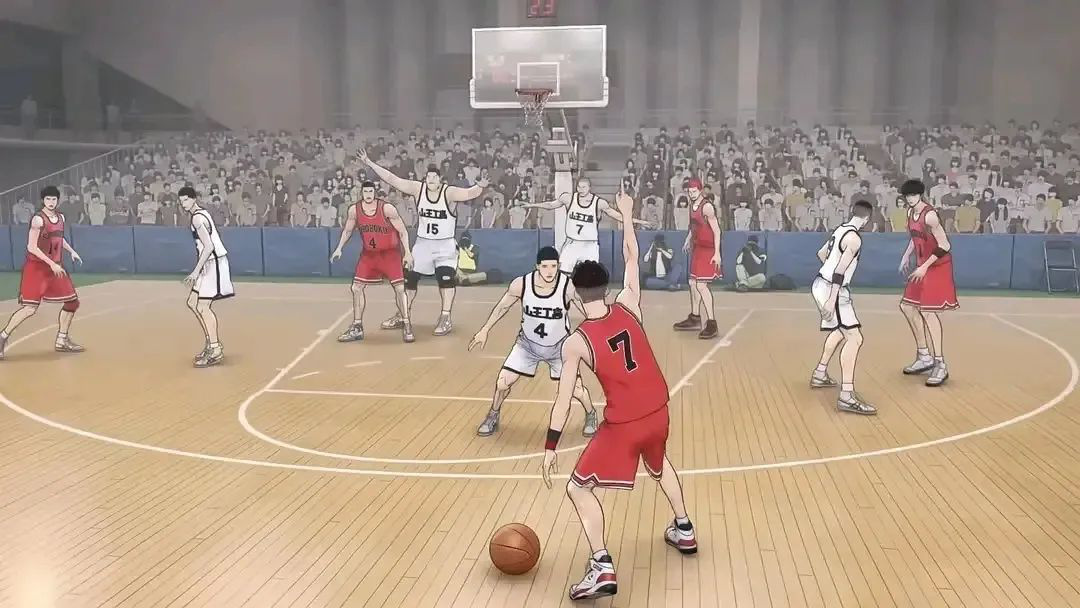
Slam Dunk Master scored 9 points on the whole platform. Who can copy its success?


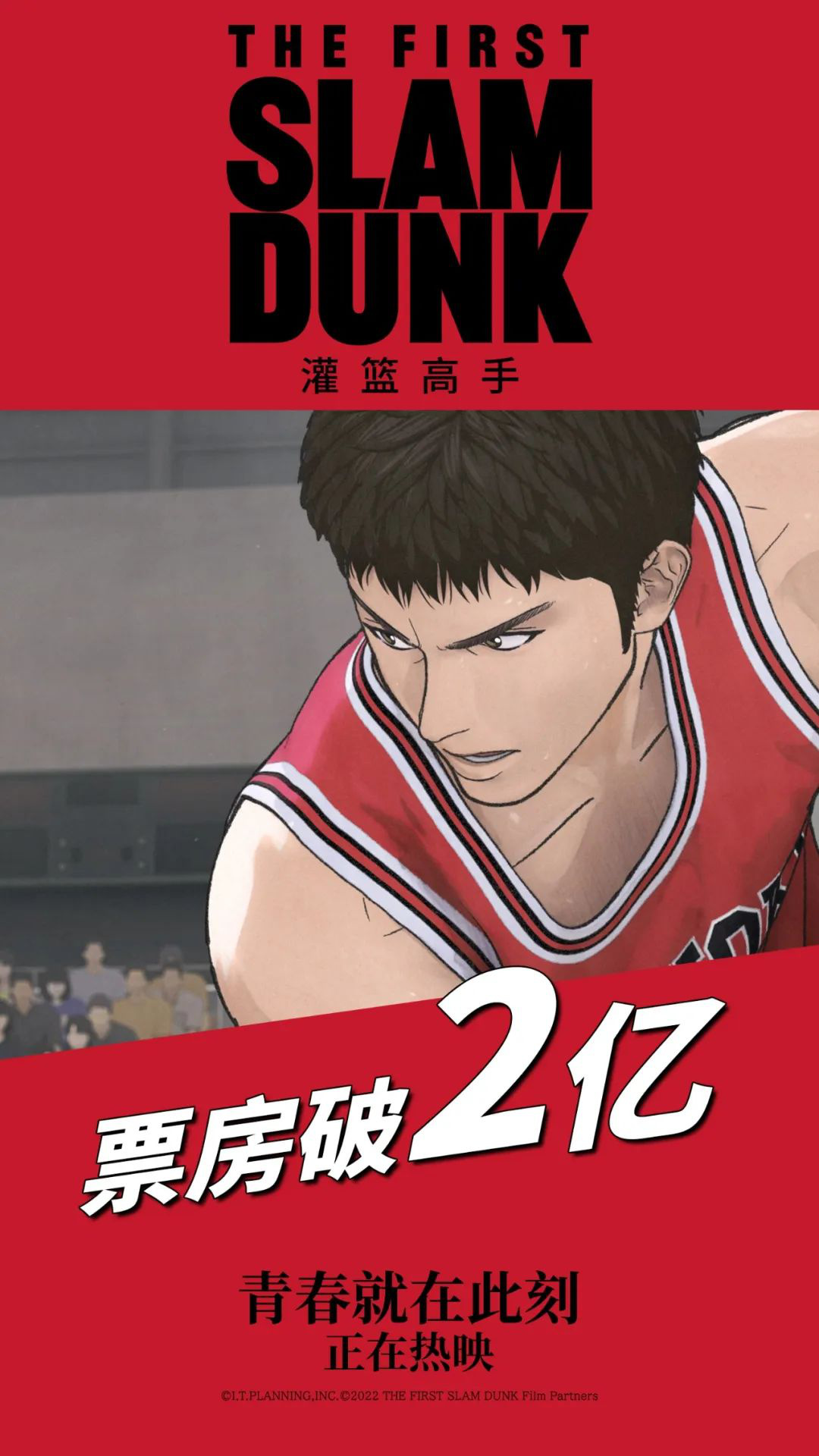
Special feature of 1905 film network As of press time, the box office exceeded 200 million, temporarily ranking fourth in the annual box office of imported films.


If this achievement is not eye-catching, looking back at the first day of the release, the film was screened nearly 188,000 times, breaking the record of Japanese films and imported animated films, and it won 94,896,400 on that day, accounting for over 86% of the box office.


Counting the zero-point box office, "Slam Dunk Master" became the first imported movie with a first-day box office of over 100 million this year, which broke the highest first-day box office data of Japanese movies set last month with 94,957,600 yuan.


In particular, it can’t be ignored that the first day of the release of Slam Dunk is an ordinary working day (Thursday).


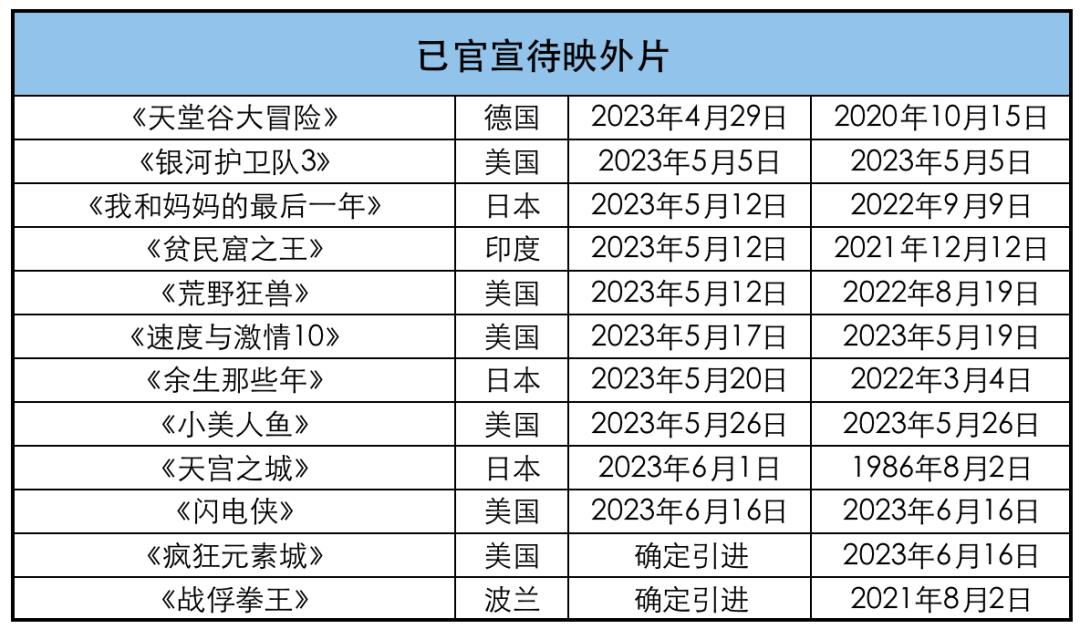
At the same time,Many foreign films have been announced one after another,Then synchronize the North American release,Before North America … …Since the Spring Festival, foreign films have been introduced one after another, almost like a sluice gate. In addition to the conceptual Hollywood blockbusters, there are also Japan, France and India … … And other national films.


Only from the current market feedback, it seems that these films have not played as strongly as expected, and even the Marvel Comics films that people used to be "afraid of" failed to "bring goods".


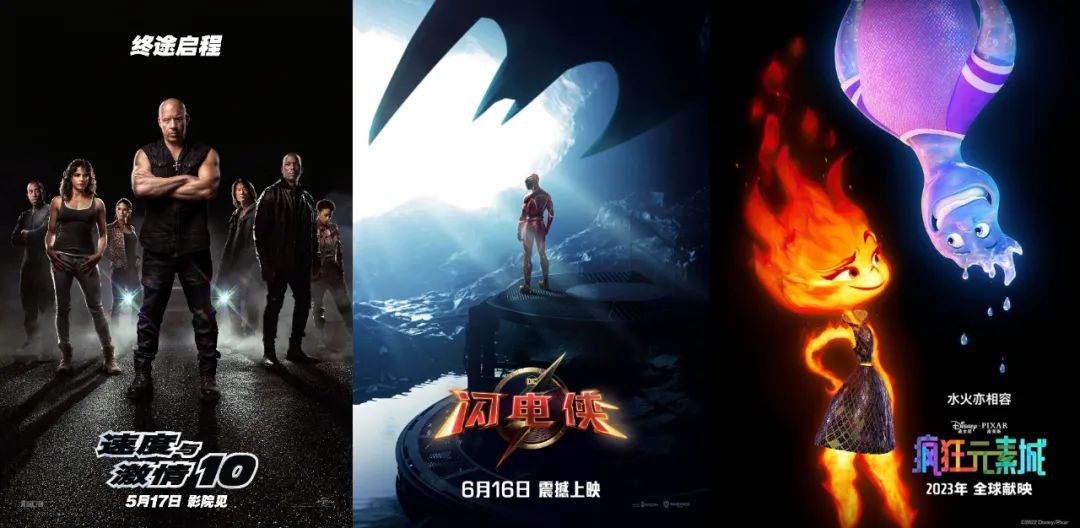
These films have been delayed and released simultaneously, but the situation is not the same, but the story has just begun. Can the Galaxy Guard 3 and Speed and Passion 10 in May exert their power?


01.


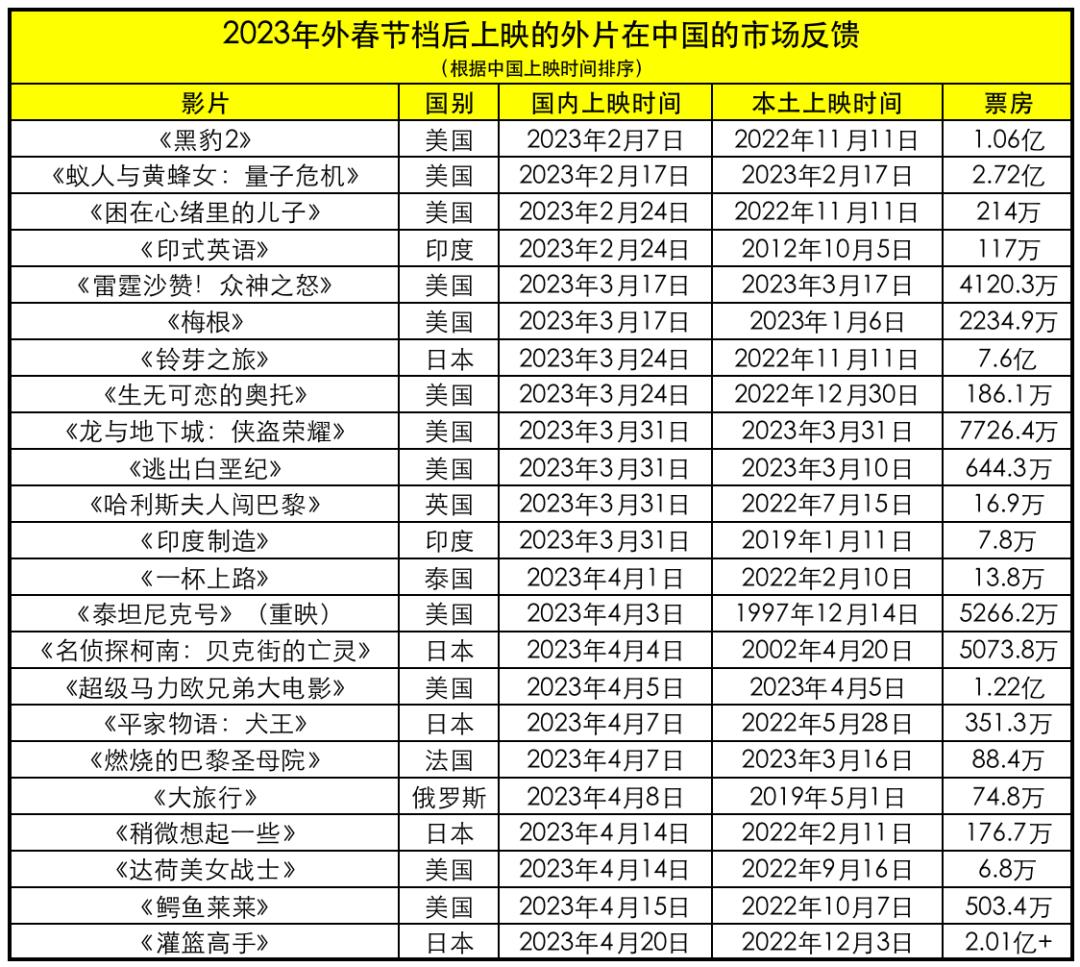
Let’s briefly review the foreign films that have been released in the mainland market of China since the Spring Festival. They cover a wide range of countries, including the United States, Japan, France, Thailand, Russia and India, and have already had many advantages in quantity.


In the summary of these films, Hollywood, as the "leader" in the world commercial films, occupies an absolute advantage in terms of quantity, with the number of 12 films.


Among them, "Marvel Universe" including "Ant Man 3" has returned to the mainland market of China after three years, and has become the core of external attention. Although the former was released in North Marvel Comics for more than three months, it did not affect the overall topic and attention, and there was a wave of "fans" who performed various movie-watching ceremonies.


Unfortunately,Black Panther 2 barely broke through 100 million at the box office, while Ant Man 3 was less than 300 million.The word-of-mouth of the film is not satisfactory, so it is difficult to replicate the previous glory of "Marvel Comics Film".


If Marvel Comics’s appeal plummeted, and he was also a superhero, Marvel Comics’s DC movie "Opposite Home",It is even more weak at the box office, and the box office did not even exceed 100 million in the end., while the previous series has a box office of 294 million.


Undeniably, some viewers in China are beginning to feel tired of the superhero, and the simple and rude special effects have hardly aroused the audience’s enthusiasm.


Judging from the market situation of these three films, it seems that Hollywood studios such as Disney and Warner are also reducing their corresponding publicity and marketing expenses.A lot of pre-screening propaganda work and cross-industry cooperation preferred by Hollywood films are relatively less than in the past.


"Hollywood studios may not have much confidence in the quality of these films. They can also pay attention to the changes in the China market, and the spring market in China will be relatively weak every year. They may be willing to put more budgets on projects with higher quality, especially after Disney, Galaxy Guard 3, Warner and The Flash." Mr. Wang, who worked in the propaganda work of a Hollywood production company, talked about his own views.


According to Mr. Wang’s observation,China audience’s preference for Hollywood movies has changed significantly in the past three years. "Many viewers prefer movies close to their own lives."


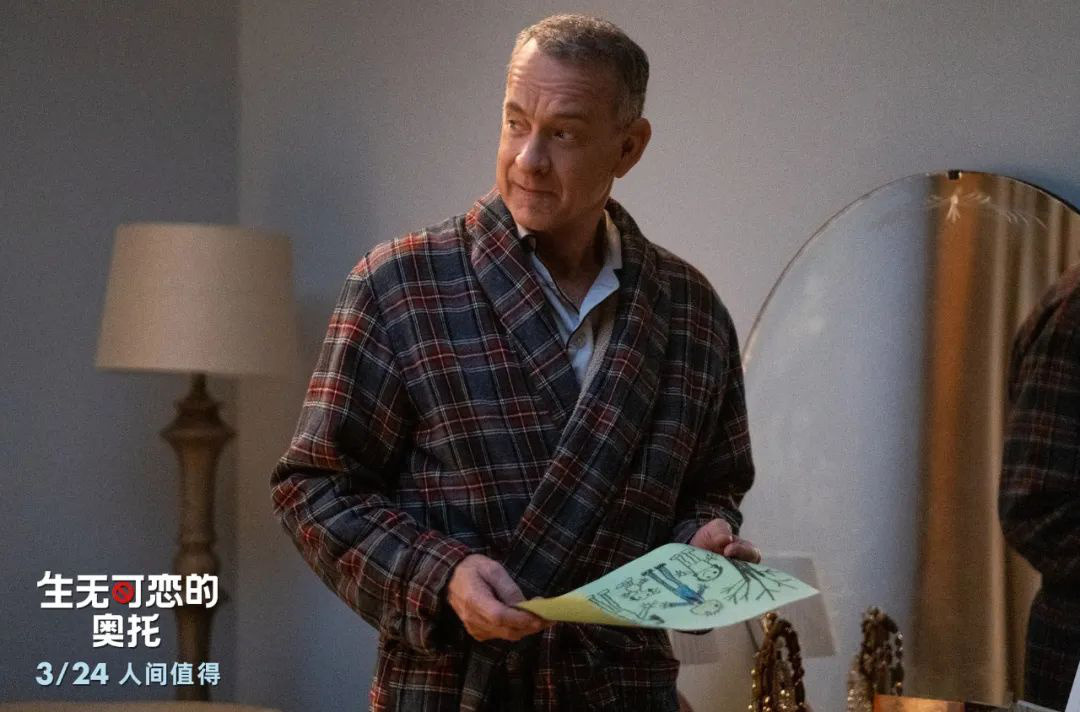
For example, the quality of the film is not bad, and the Douban score is as high as 7.7, but in the end, word of mouth did not help the film in the market, and it did not even break 100 million.


In Mr. Wang’s view, in addition to the film and television companies not giving enough publicity and promotion, another important reason is that IP is too far away from the audience in China.


A similar situation is the animated film.


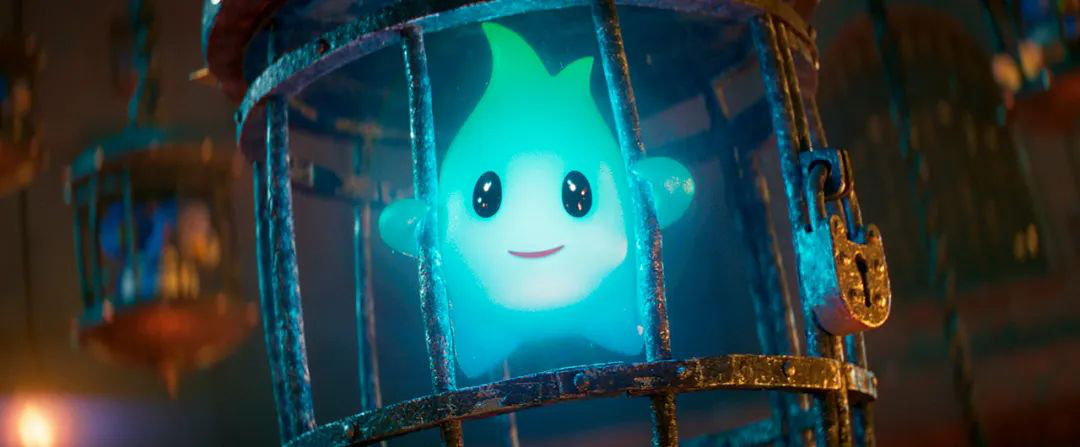
Even though "Mario Brothers" is a lot of post-90 s emotional stories, this story is adapted from the hottest switch game of the same name, and it is difficult to really sink. In the end, the box office and word of mouth go in the opposite direction.


Besides, as the window of American movies is getting shorter and shorter,On the eve of the release of many films in China, they were faced with the problem that their contents were illegally spread on the Internet..


In particular, such films are typical hollywood awards season films, and pirated resources were spread on the Internet earlier. At the same time, the films did not "kill" the encirclement in the award season by virtue of their high quality, which further made it difficult to replicate the box office miracle of that year.


There is a time difference between the overseas streaming media transmission time and the domestic release time, which further limits the box office of many films. In particular, the batch of films did not get a topical word-of-mouth event in the early stage, and after all, the box office did not perform as expected.


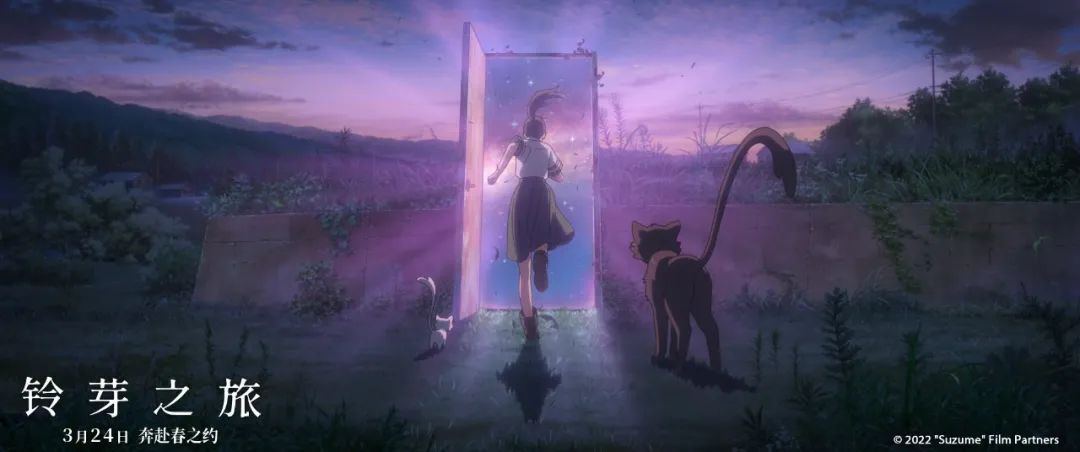
On the contrary, although the Japanese animated films "Journey to the Bell Bud" and "Slam Dunk Master" were released later in mainland China, they were not streamed online before being released, which kept the domestic audience fresh all the time.

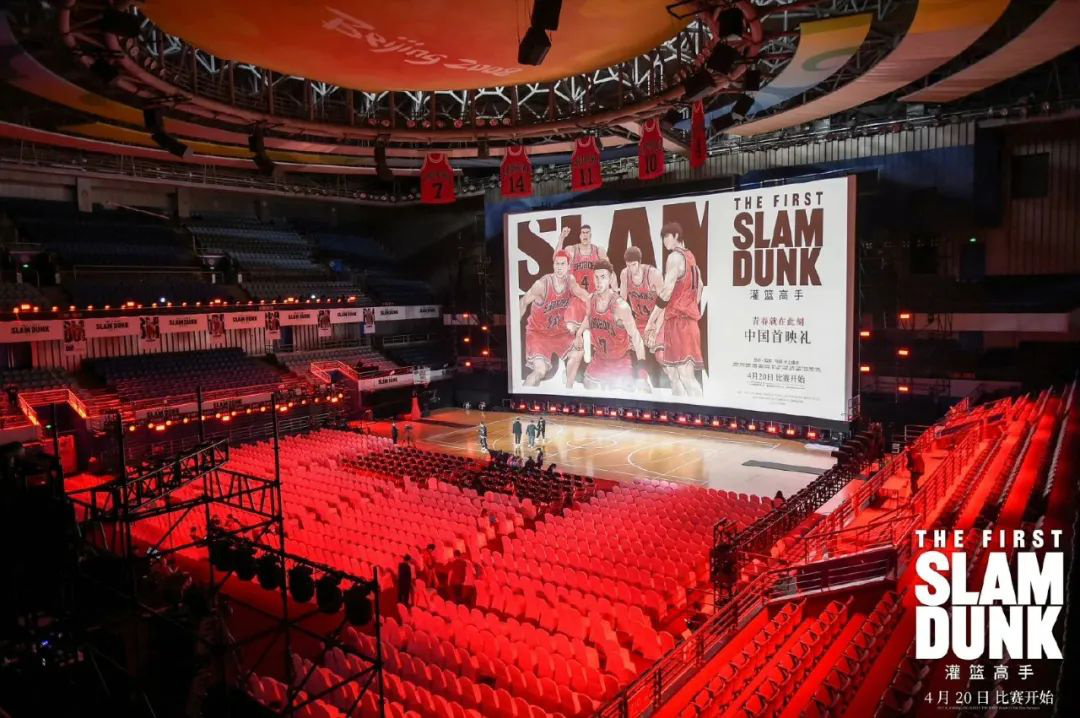
At the same time, domestic filmmakers have made great efforts in publicity and promotion. "Journey to Bell Bud" was invited to China for publicity, while "Slam Dunk Master" created a stadium-like premiere and a 100-city zero-point activity, which really formed an event communication.


02.


Looking back at the box office of imported films in 2023 (including the pre-sale box office), the top five are Journey to the Bell Bud, Slam Dunker and Super Mario Bros. Movie.


Judging from the current momentum, the box office of Slam Dunk Master is bound to surpass that of Ant Man 3, and even the industry predicts that the total box office will exceed 900 million.Obviously, the feelings of this film have successfully reached many post-80s audiences. This group of children who cried with their parents to buy comics and watch TV without homework have now grown into the most purchasing audience.


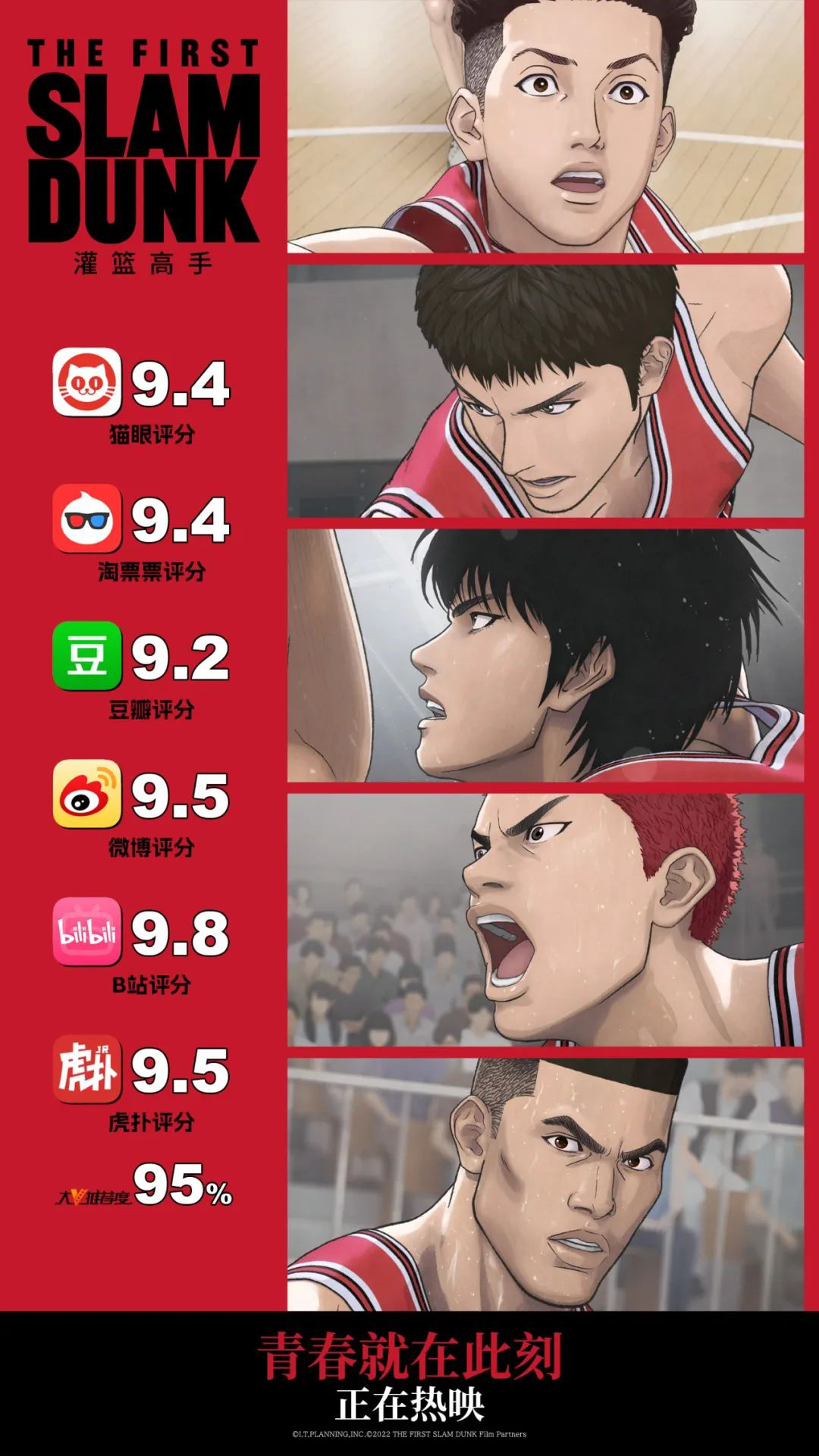
With the current momentum of "Slam Dunk" and its reputation of more than 9 points at all ends, many people predict that this film will have a chance to be shown for a long time and reach the top three in the May 1st box office. As for how long the film can go, it is difficult to draw a conclusion. After all, there are still many rivals in the follow-up of the film.


If we say that spring films lack the motivation for most production companies, then the hot market may give film and television companies a chance to create more possibilities from May.


As the saying goes, "Three Things Only", The Galaxy Guard 3 released on May 5th will once again prove the possibility of Marvel Comics films in China film market.


Compared with Panther and Ant Man, the image of Star-Lord may be more famous in China, and the actor, after going through the trilogy, is very popular in China, which may bring him other possibilities.


The movie Speed and Passion 10, which was released two days earlier than that in North China, can better reflect the importance attached by Universal Pictures to the market. After the series, China once became the largest overseas ticket warehouse, and the actors created one after another to promote it in China. But it can’t be ignored that the box office of this series is going downhill in China. Will it turn over this time?


Of course, we can also notice that many future batches will be released later than the production country. Whether domestic filmmakers can properly publicize and promote according to the content of the film, or make it possible for foreign films to break through.


Just for the current market performance of foreign films, there are still many possibilities. Can the success of Journey to the Bell Bud and Slam Dunk Master be replicated? No one has an absolute answer.


But there is no denying that,When China audiences are more and more partial to realistic films that are close to their own lives, foreign films need to find a Chinese breakthrough in propaganda to attract more audiences.


Severely punish those who spread rumors. Chengdu Qingyang police arrested more than ten suspects.

Special topic: Wenchuan earthquake in Sichuan

    At 19 o’clock on May 21st, after learning that there was a blue tent for disaster relief at the intersection of Beisen South Road and Beishuang Street in Chengdu, the words "for disaster relief" printed on it had been covered with blue paint, the police of Dongpo police station immediately joined the staff of the sub-district office, rushed to the scene for investigation and took photos to collect evidence. Besieged, abused and beaten by a few people with ulterior motives.


    At about 23 o’clock that night, there was such a rumor: the special tent for disaster relief was built by the female police of Dongpo police station, and she was still drinking and playing mahjong in the tent in the afternoon.


    At 23: 30 that night, Qingyang District Public Security Bureau successively arrested 11 criminal suspects including Li Bogen who participated in the siege, abuse and beating of the police. After examination, Li Bogen and others confessed to the illegal facts of spreading rumors, besieging, abusing and beating police and office staff.


    At about 16: 00 on May 22, the police arrested He Chuan, an illegal suspect who spread rumors of "police beating innocent citizens" on the Internet, and seized his tools and materials used to spread rumors on the Internet.


    After examination, He Chuan confessed to the illegal facts of publishing false rumors and beating the police on the Internet. (Reporter Ma Limin)

Editor: Zhang Renhe

Red Star, the largest old renovation project in Taijiang, and the residents in the surrounding old housing areas have been completely relocated.

Red Star, the largest old renovation project in Taijiang, and the residents in the surrounding old housing areas have been completely relocated.

More than 3,000 houses, 7,858 households involved in relocation, and a total construction area of nearly one million square meters have been demolished, which is the largest old renovation project in Taijiang in the past 10 years — — Residents involved in the renovation of old housing areas in Hongxing and surrounding areas have been completely relocated and demolished recently.


Relocation cadres pay close attention to the progress of the project. Reporter Zheng Shuai photo

"The renovation of Red Star and its surrounding old housing areas is a step that must be taken to promote the construction of a livable environment and improve the grade of the central city of the provincial capital. It is also an urgent need to fill the shortcomings of people’s livelihood and improve the living environment of the people." The main leaders of Taijiang District Committee said.

The relocation work is complicated and involves many stakeholders, and the renovation of Red Star and its surrounding old housing areas is one of the few old renovation projects with high difficulty, large quantity and wide coverage in Taijiang and even the whole city in recent years. It can be said that without the original intention of serving the people wholeheartedly, the courage to take responsibility and the spirit of dripping water wears away the stone, it is difficult for Taijiang to win this tough battle and hand over a satisfactory answer sheet.


  The relocated households extract the sequence number of house selection. Reporter Zheng Shuai photo

A "heart disease" in a bustling city

On the one hand, it is a modern business district with high-rise buildings, and on the other hand, it is a contiguous village in the city.

You often walk in the bustling Liuyi Road and Changle Road. Perhaps you can’t imagine that there are still large old houses in the south of Guangming Port, north of Paiwei Road, east of Liuyi Middle Road and along Changle South Road.

Located at the gateway of Taijiang River, it used to be an important shipping dock and commercial distribution center in history. In recent years, it has become one of the areas with weak infrastructure and prominent security and fire hazards, which is incompatible with the surrounding environment and has become a "heart disease" for Fuzhou to strive to improve the quality of the city.

"When a cart passes by, the house will shake." Resident Chen Baoqin said that nearly 8,000 households living here have been looking forward to relocation and transformation and living in good houses.

Under the scientific deployment of the municipal party committee and the municipal government, the Taijiang District Committee and the district government repeatedly planned and made up their minds to give full play to the efforts of the whole region to start the renovation project of Red Star and its surrounding old housing areas.

On September 18, 2017, Red Star and its surrounding old housing areas took the first step of "Phoenix Nirvana".

In 2013, the house requisition and relocation work of Shanghang historical and cultural block was started, involving a total housing area of 400,000 square meters and a total of 4,076 households; In 2014, the house requisition and relocation of Taiping Tingzhou and Cangxia plots started, involving a total housing area of 600,000 square meters and a total of 6,000 households … … Looking back at the history of the old renovation of Taijiang, we can find that the renovation of Hongxing and its surrounding old housing areas is the largest renovation project in Taijiang District in the past 10 years, and it is also the largest renovation project in the second ring road of our city at present.

"Only five communities in our street have demolished three!" Wang Xuemin, director of the People’s Congress Working Committee of Yingzhou Street, said with emotion.

The top priority of 500 cadres

For a city, transforming an area is a major event; For every family, moving and changing rooms is also a big deal. It is difficult to relocate so many houses at once and solve the housing problems of so many residents. How to resolve contradictions and win recognition in the work of land requisition and relocation tests every cadre involved in the project in Taijiang District.

"We have explored a set of effective methods in previous land requisition and relocation work." Zhu Teng, deputy head of Taijiang District, introduced that this is the "five-in-one" working method, that is, "scientific relocation, joint relocation, efficient relocation, sunny relocation and warm relocation".

The renovation project of Red Star and its surrounding old housing areas is divided into four areas: A, B, C and D, and the "tough battle team" is also formed according to these four areas. Each of the four teams in Taijiang District has a piece, and nearly 500 cadres from 10 streets in the whole district have formed more than 20 working groups. party member took the lead in going deep into households and units under his jurisdiction, forming a situation of going all out to overcome difficulties.

Gao Yan, secretary and director of the Party Committee of Tonghui Community, was transferred from Houzhou Street. It took her group only one month to complete the signing of more than 100 households. One day, a relocated household came to the headquarters. Gao Yan saw that she looked pale, so she took the initiative to ask if something was wrong. The relocated household explained the reason: "The old disease recurred and I hope to be resettled as soon as possible." In view of her situation, Gao Yan came up with a plan with the shortest transition time.

"The relocation work must go to the hearts of the masses." Gao Yan said that every family has a difficult experience. In addition to thoroughly understanding the policy, the staff should summarize the situation of each family, systematically analyze and simulate the signing of the contract, in order to come up with a practical plan.

Realize the livability of residents

And urban development "win-win"

After the relocation and demolition of Red Star and the surrounding old housing areas, new space will be made for urban development. The blueprint for the follow-up planning and development of this area has been drawn. Zhu Teng introduced that the implementation of the project will achieve a "win-win" situation for residents’ livability and urban development, which will not only improve the living conditions of people in the region, but also further develop high-end commerce and trade industries and create a new commercial center and emerging urban complex in Taijiang.

The reporter learned from the Municipal Planning Bureau that the reconstruction plot of Hongxing and the surrounding old housing areas plans to increase the Jin ‘an estuary to directly discharge the Minjiang River, connect the second branch of Guangming Port with the newly added river, and connect Hongxing River with Guangming Port.

On the planning map, Rail Transit Line 3 runs straight through Changle South Road in this area, and a tail station is set up. Commercial, residential and commercial comprehensive land is arranged around the subway station and along Guangming Port; The second-class residential land is centrally arranged on the north side of Paiwei Road, and more than 700,000 square meters of resettlement houses can be built. In addition, a disease prevention and control center, a police station, a street office and a street cultural activity center have been added.

Chen Ying, the relocation cadre: Laughing at the cold face, not afraid of closing the door. Ren Huaibin, the relocation household: bid farewell to the old house area and live in the elevator room.

-  

Original title: The residents of the largest old renovation project in Taijiang have been completely relocated and demolished, and the cadres and the masses have lived together in peace and dreams.
Editor in charge: Ling Qinli

Let researchers concentrate on their research

    Scientific research environment is a general term for all kinds of direct and indirect factors that affect scientific and technological personnel to engage in scientific research activities. A good scientific research environment is conducive to researchers to concentrate on research and stimulate their creative vitality, which is of great significance to promoting scientific and technological progress and implementing the innovation-driven development strategy.


    In recent years, the basic situation of scientific research environment in China has aroused widespread concern and debate from all walks of life, and has been highly valued by the relevant national science and technology management departments. In order to deeply understand the cognition of scientific researchers in various provinces (autonomous regions and municipalities directly under the Central Government) on the scientific research environment in their respective regions, the research group of the Institute of Science and Technology Policy and Management Sciences of the Chinese Academy of Sciences, with the support of the China Association for Science and Technology, selected five types of sites, including universities, research and development institutions, park enterprises, large and medium-sized industrial enterprises and medical and health institutions, and distributed 8,074 questionnaires to scientific researchers directly engaged in R&D activities, with 7,868 returned and 7,691 valid questionnaires. On the basis of this investigation, combined with the statistical data of science, technology, economy and society in 2012, this paper made a comprehensive evaluation of China’s scientific research environment.


The researchers gave positive comments on the current scientific research environment as a whole.


    First, the conditions of scientific research infrastructure have improved significantly, and nearly 30% of researchers feel that they have sufficient funds and full tasks.


    According to the survey, nearly 80% of the researchers think that the basic conditions of scientific research have improved obviously, among which 65% think that the basic conditions of scientific research in their institutions are at the middle and upper-middle level in China, 10% think that they are at a higher level in China, and only a little over 20% think that the basic conditions of their institutions are poor. At the same time, when it is necessary to obtain relevant experimental materials or consult scientific research references in scientific research activities, more than half of them feel convenient or very convenient, and only 20% think it is inconvenient or inconvenient. In terms of scientific research intensity and task fullness, nearly 30% feel full of funds and tasks, nearly 30% spend more than 40 hours a week directly engaged in scientific research activities, and nearly 30% feel that scientific research tasks are challenging. This reflects that in recent years, with the continuous increase in the total amount of scientific research funds invested by the central and local governments, the basic conditions of scientific research work in China have been greatly improved, and the tasks of scientific researchers are generally full, especially those who study abroad, have high academic qualifications, and have high professional titles. The recognition of the basic conditions of scientific research in their units is the highest.


    Second, the degree of scientific research cooperation and professional division of labor has been significantly strengthened, and researchers generally recognize the norms of teamwork.


    Institutions are equipped with full-time, high-level scientific research assistants, and the formation of a relatively close network of partners among scientific researchers is an important factor to improve the efficiency and level of scientific research work. The survey results show that the cooperation and professional division of labor among researchers have improved to some extent. In the same organization, the frequency ratio of other colleagues to undertake and complete the scientific research auxiliary work reaches 30%, which is higher than the frequency ratio of handling the scientific research auxiliary work by themselves without auxiliary personnel at all; At the same time, the frequency ratio of scientific research collaborators from their own institutions is as high as 44%, and the units where more than 85% of scientific researchers work actively encourage cross-departmental or inter-institutional cooperation. However, it is common for graduate students to help teachers undertake scientific research auxiliary work, which is much higher than the proportion of full-time auxiliary personnel, which shows that there is still much room for improvement in the scale of teamwork in scientific research units. About 40% of the team leaders’ influence comes from their academic level and strategic vision. About 40% of the team members have consultation and communication, and respect each member’s own choice. Another three quarters of the team results are distributed according to actual contributions, and more than half of the researchers have a strong sense of belonging to the team, which reflects the recognition of most researchers on the existing team cooperation model.


    Third, researchers give positive comments on the scientific research management ability of their units and are optimistic about the career development space.


    The survey shows that about 90% of researchers give positive comments on the overall impression of the scientific research management department of the unit, among which nearly 60% think that the auxiliary scientific research services and the overall innovation atmosphere of the unit are "generally acceptable" or "very good", and nearly 70% think that the current performance evaluation mechanism is reasonable. At the same time, most researchers have remained relatively stable in their work. From the observation of the flow of researchers in their own units in the past two years, more than 80% of researchers have not felt the frequent outflow of other researchers, and they are satisfied with the career development space in their own units. Only less than 15% researchers are "not satisfied" or "very dissatisfied" with the career development space in their own units, hoping for other better development opportunities. The work of the party and government organs is still attractive to a considerable number of researchers. If there is an opportunity to transfer to the party and government organs at the same level or to start a business, more than 50% of researchers will consider moving. Generally speaking, good working environment, personal development space, stable work, more learning opportunities, and giving full play to their abilities are the main reasons why most researchers choose to stay in their current work units.


    Fourth, the scientific and technological innovation policy has been well received by researchers, and the implementation and implementation need to be further strengthened.


    In recent years, the central and local governments have issued a series of policies and supporting measures to encourage scientific and technological innovation, attract high-level talents and promote the development of high-tech industries. Researchers generally recognize these incentive policies, and nearly 40% of them think that the policies are good and fully affirm them. More than half of the researchers still hope that the government will increase its encouragement and support. For the implementation of these policies, 8% of researchers think that the effect is very good, and 38% think that "some encouragement policies have been implemented, and the overall effect is ok", which is basically the same as the overall proportion of "the implementation is not good, the effect is not great, and these policies are basically not felt". This shows that the implementation of relevant science and technology policies has not been widely recognized, and the urgent task is to enhance the scientific nature of policies and further increase publicity and implementation.


Six outstanding problems reflected by scientific researchers


    First, a large number of institutions lack systematic and efficient innovation management capabilities.


    All kinds of institutions in Industry-University-Research generally don’t know enough about the law of creative activities in scientific research, which is manifested in the weak ability of specialized division of labor and cooperative management of scientific research organizations, and they are used to managing scientific researchers by means of administrative management and engineering management, and lack of supporting for truly valuable "creative" work, which makes a large number of scientific researchers’ enthusiasm consumed in low-level repetitive daily chores. On the one hand, scientific researchers frequently work overtime, on the other hand, about 70% of scientific researchers directly engage in scientific research activities for less than 40 hours a week. According to the survey, only 16% of the researchers think that the unit attaches great importance to innovation, and about 50% of the researchers think that the incentive effect of scientific research and innovation in their unit is not good; 34% of the respondents think that although the company has formulated some incentive measures, the overall incentive atmosphere for innovation has not yet emerged, and 8% of the respondents think that there is basically no difference between innovation and non-innovation in the company.


    Second, the investment and allocation of science and technology funds are not targeted to people.


    In recent years, China’s investment in scientific research has increased rapidly, and it has become the third largest country in the world. These greatly increased scientific and technological funds have achieved remarkable results in improving the basic conditions of scientific research and other "hardware facilities", but they are insufficient in investing people, especially young and middle-aged researchers with more innovative vitality. The survey shows that the current research funding, task pressure and work intensity basically present three "one-third" situations, that is, in terms of sufficient research funding and full tasks, there are one-third of people who feel full, average and lacking; In terms of the pressure and challenge of scientific research work, one-third of the people feel very stressed, less stressed and more moderate; At the same time, the proportion of people who spend more than 40 hours, less than 20 hours, and between 20 hours and 40 hours is also one-third of three. In addition, researchers with different professional titles have significant differences in their cognition of individual environment. The actual working time intensity and the proportion of challenging scientific research work of deputy senior and intermediate researchers are higher than those of senior researchers, but their satisfaction in scientific research activities, funding commitment and academic exchanges is lower than that of senior researchers, which also shows that the allocation of scientific and technological resources is insufficient to support this group.


    Third, most researchers still lack high-level and international academic exchange opportunities.


    It is found that the internationalization level of scientific and technological research in China has become an important factor that restricts the improvement of scientific researchers’ ability. 44% of researchers "mainly participate in academic conferences or scientific and technological group exchanges organized by domestic organizations", and two-thirds of researchers choose to publish their scientific research results in China because "there will be some language or channel barriers abroad". Less than 15% of researchers can publish their academic research results internationally without obstacles, and only 11% can participate in foreign academic exchanges relatively freely and conveniently. More than 40% of researchers said that they "seldom have academic exchanges" and "lack relatively high-level academic exchange opportunities", and 16% of researchers still have obvious obstacles in terms of regions, institutions or languages even if they publish their scientific research results in China, reflecting that some researchers’ channels for participating in academic exchanges are not smooth enough, and their academic exchange ability needs to be further strengthened.


    Fourth, the publicity and transparency of the allocation mechanism of scientific and technological resources are not enough.


    For the research funding mechanism of local government departments, except for 32% researchers who did not give a clear judgment, less than 5% clearly chose "the whole funding mechanism is open and transparent", while the proportion that "the process is very opaque and all kinds of hidden rules are very serious" is as high as 13%, and 30% researchers think there are some unfair and unreasonable places, "but not very serious"; Another nearly 20% of the staff think it is not bad on the whole, which has greatly improved compared with the past. In addition, some researchers specifically mentioned the problem of "unfair project application" in the allocation of scientific research funds, which is reflected in the prevalence of "learning hegemony" in the formulation, application and evaluation of project guides. I hope that the setting and funding mechanism of related scientific research projects will be more open and transparent.


    Fifth, the academic community and scientific and technological associations have not played a sufficient role.


    Academic communities and scientific and technological societies are important carriers to strengthen the education of scientific values and integrity of researchers and promote academic exchanges. According to the survey, nearly one-third of the researchers’ overall impression of the scientific and technological associations in this region said that they seldom contact with scientific and technological organizations, more than half thought that the scientific and technological organizations in this region were not active enough, nearly 8% said they knew something about a certain scientific and technological association, and less than 3% of the researchers had a better understanding of the society and gave a "good impression" evaluation. It can be seen that the majority of scientific researchers have obviously insufficient understanding and participation in scientific and technological associations, and the scientific and technological associations that should play an important role as carriers and intermediaries in developing academic norms, shaping scientific values and promoting academic exchanges have not fully played their roles at present. Strengthening the self-construction of "academic communities" and enhancing the value recognition of scientific researchers are the weak links in the current development of China’s scientific community.


    Sixth, the overall cultural atmosphere of social innovation is not ideal.


    A good social innovation atmosphere is an important prerequisite to stimulate the innovation enthusiasm and vitality of researchers, and it is also an important aspect that researchers pay attention to. It is found that the atmosphere of social tolerance failure, challenge to academic authority and academic independence, which are necessary for creative work, is not highly evaluated by researchers. Nearly half of the researchers think it is general, and the proportion of ideal or unsatisfactory is about 20%. In terms of improving the social image and political status of scientific and technological personnel, 50% of scientific and technological personnel think that there is no obvious difference from other occupations. Among them, only 19% think that the social status of researchers in this area has been greatly improved, and nearly a quarter of researchers think that despite a lot of publicity in various aspects, there has been no substantial improvement; Generally speaking, most researchers think that compared with other groups, the social status has not improved much.


    Analysis of the crux of the above problems mainly lies in the lack of creativity of scientific researchers and the low level of independent management of scientific research activities.


    First, the substantial increase in investment in science and technology has improved the working conditions of researchers, but it will not automatically bring about the same improvement in the satisfaction of researchers with the scientific research environment.


    According to the survey, the higher the level of researchers, the more scientific and technological resources they occupy, and the higher the quality requirements for the scientific research environment. Senior and senior researchers who have studied abroad and are at the top of the group of researchers are significantly superior to other groups in terms of basic conditions for scientific research, research funds, publication of achievements and opportunities for academic exchange, and they are also in a dominant position in teamwork. At the same time, they attach great importance to the norms of teamwork and have higher requirements for the scientific research management level of their units. This situation shows that innovation management and cultural issues are replacing the lack of investment in science and technology, and become the main problems restricting the improvement of the current scientific research environment in China. It requires government management departments and various scientific research institutions to explore macro-and micro-management mechanisms that are more in line with the laws of scientific and technological innovation activities.


    Second, the conflict between the increasing demand for scientific autonomy and the administrative science and technology management system has become one of the main contradictions in the macro-management system of science and technology in China.


    The intervention of too many external administrative forces makes the degree of independent management of scientific researchers, scientific research institutions and scientific communities insufficient, which not only reduces the efficiency of scientific research and management, but also affects the enthusiasm and sense of accomplishment of scientific researchers as knowledge workers. In particular, some scientific research institutions and management departments lack of attention to the laws of scientific research and innovation activities, and the management methods focus on planning and administration. There is a big gap between the management ability of creative activities and the actual needs of scientific researchers, which leads to the phenomenon of simple management methods, repeated work by scientific researchers and a lot of work in vain to some extent. In addition, the imperfect public participation mechanism in the allocation mechanism of scientific and technological resources leads to the insufficient participation of the scientific community and the public in public scientific and technological affairs, and the low recognition of the fairness and impartiality of the government in allocating resources is also an important reason that affects the positive evaluation of the scientific research environment by researchers.


    In short, although the scientific research infrastructure conditions of various units have improved significantly in recent years, all units and government scientific and technological management departments are also vigorously strengthening scientific research performance management, promoting scientific research cooperation, and actively introducing a series of incentive policies for scientific and technological innovation; However, the survey found that researchers still generally feel that it is difficult to give full play to their creativity, and their units and scientific and technological management departments lack systematic and efficient innovation management capabilities, which has become the main obstacle to improving the scientific research environment. This also means that innovation management and cultural issues are replacing the overall lack of investment in scientific and technological resources, becoming an important factor affecting researchers to judge the quality of scientific research environment, and further requiring government management departments and various scientific research institutions to explore macro-and micro-management mechanisms that are more in line with the laws of scientific and technological innovation activities.


Suggestions on respecting the law of scientific research activities and promoting the process of independent management of scientific research institutions and researchers


    To improve the scientific research environment, we must strengthen the regular understanding of scientific research activities and management, give full play to the initiative and creativity of scientific and technological personnel, and greatly expand the participation scope and discourse power of scientific communities and the public in government scientific and technological affairs. The research group suggested that:


    Efforts should be made to ensure the time for scientific researchers to directly engage in scientific research activities.


    Increase the steady support for public scientific research institutions, simplify the scientific research management and evaluation mechanism, and shorten the time for scientific researchers to participate in administrative affairs and other social affairs activities; With the positive attitude of "releasing water to raise fish", we will support scientific researchers to concentrate on their scientific research work, and guide front-line scientific researchers to gradually increase their time directly engaged in scientific research activities to three-fifths or even more than four-fifths of their normal working hours.


    Piloting the reform of the comprehensive supporting system of different types of scientific research institutions.


    Actively explore the governance model of public scientific research institutions in the new period, and select some basic and public research institutes with high scientific research level to carry out pilot reform of comprehensive supporting system. The pilot work focuses on rationalizing the operating mechanism of scientific research institutions in terms of personnel, finance, materials, activities and comprehensive management, and establishes a coordinated scientific research management system of personnel-post-funds-activities-evaluation; While fully mobilizing the initiative and enthusiasm of researchers, we should strengthen the independent management of scientific research at all levels and stimulate the creativity of researchers.


    Strengthen the right to speak of scientific community in scientific and technological affairs of the whole society.


    Give full play to the academic norms and value guidance functions of the scientific community. Gradually reduce all kinds of scientific and technological awards led by the government; Strengthen the leading role of professional societies, trade associations and other professional groups and social organizations in academician selection, scientific and technological awards and evaluation, suppression of academic misconduct, establishment of academic journals, and dissemination of scientific and technological news; Strengthen peer review in scientific research organization evaluation, project evaluation, talent recruitment and other matters; Let the scientific community rebuild academic norms and innovative values.


    Establish a more transparent and higher social participation mechanism for the allocation of scientific and technological resources.


    Reform the allocation mechanism of public scientific and technological resources, improve the participation of scientists and the public in the process of public scientific and technological decision-making and project organization and implementation, and reduce the direct intervention of government departments in the process of scientific and technological project organization and implementation. Strengthen the construction of social supervision and management mechanism, and promote the opening of all kinds of scientific and technological projects and scientific and technological infrastructure supported by public finance to the whole society.


    Significantly increase the budget for supporting scientific researchers to "go global".


    Implement the strategy of "going out" for researchers, and rapidly improve their research vision and international communication ability. Significantly increase the amount of international scientific and technological cooperation and exchange funds of the National Scholarship Fund Committee, China Academy of Sciences and other departments, while building a high-level international academic exchange platform, increase support for front-line scientific researchers and young and middle-aged scientific research management backbones, and maintain the growth rate of more than 30% for three to four consecutive years.


    Explore the implementation of "inclusive" science and technology policies and encourage "mass innovation".


    Taking generate, which encourages and stimulates the creativity of the whole society, as an important part of the construction of innovative cities, we should not explore and implement the "inclusive" all-staff innovation project for all kinds of enterprises, institutions and the public based on the qualification theory of innovative subjects; Continue to promote the work deployment of "Several Opinions on Strengthening the Work of Innovative Methods" by the four national ministries and commissions, and constantly promote and popularize the knowledge of innovation methodology such as TRIZ in society and various enterprises and institutions; Increase the creative methods and scientific aesthetic education content in primary and secondary education, vocational education and training, and higher education, and form a pluralistic and inclusive mass innovation culture atmosphere for all social subjects. (Author of research group of Institute of Science and Technology Policy and Management Science, Chinese Academy of Sciences: Leng Min, Song Qi) 


发布于 分类 restert标签

Open up new markets+expand domestic markets. Foreign trade enterprises boost "going out to sea" and develop confidence.

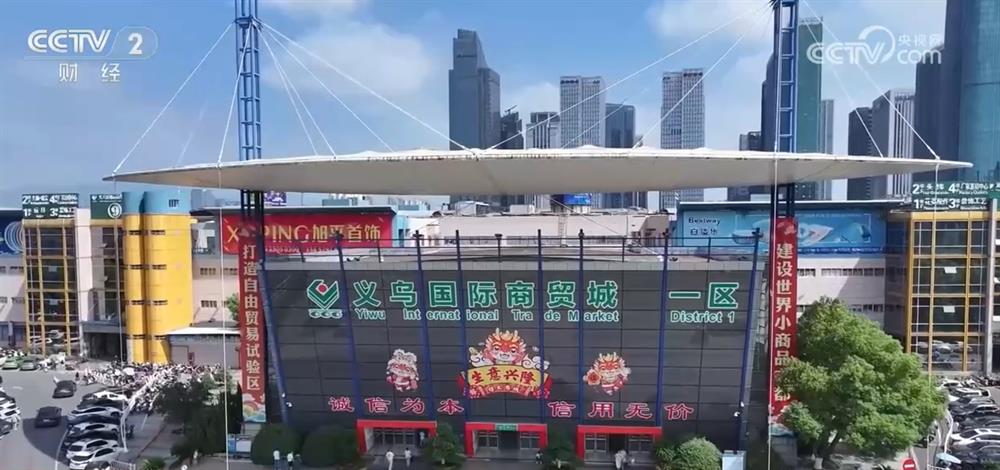
CCTV News:At present, the international trade situation is complicated, and Yiwu, Zhejiang Province, known as the "world supermarket", stands at the forefront. After visiting Yiwu International Trade City on the spot, the reporter found that most business households remained calm and conveyed their confidence to the outside world through various means. 

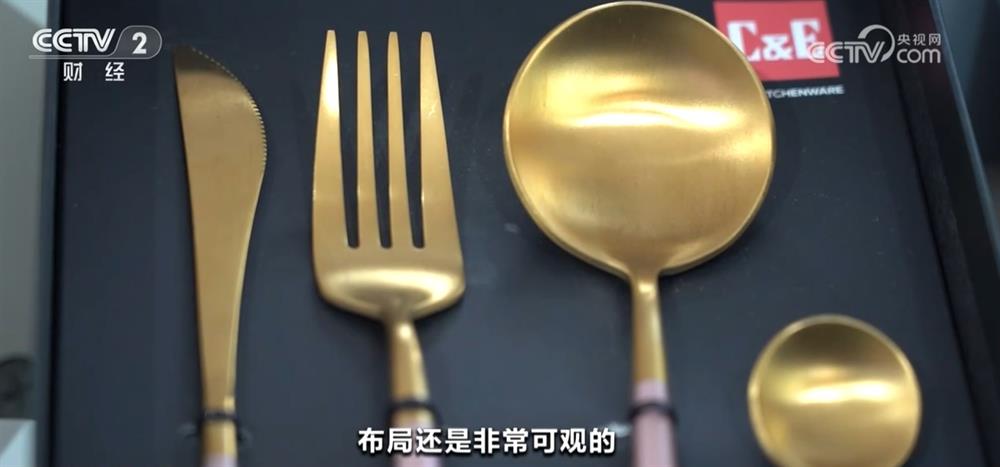
In this kitchen ware shop, business owner Liu Pingjuan is introducing products to a buyer from Sweden. He told reporters that his business does not depend on the American market. Although the goods ordered by American customers years ago were intended to be shipped at the end of April, the goods have been exported to the African market.

Liu Pingjuan, the business owner of Yiwu International Trade City, said: "Our enterprises in Yiwu, including those in China, are full of tenacity. If you close one door, we can open countless doors because we are engaged in global trade. At present, South American markets such as Brazil and Mexico, for the five Central Asian countries and for Africa, the layout in these two years is still very impressive. "

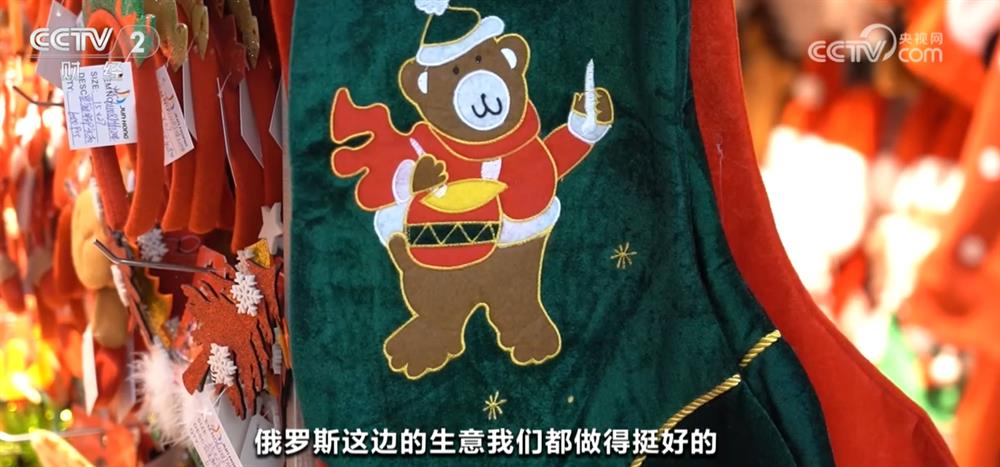
In the Christmas supplies area, the reporter saw that many foreign businessmen are selecting samples and negotiating orders in various shops.

Jiang Jiangping, a business owner of Yiwu International Trade City, said: "Our Yiwu market is doing global business. The United States is not bright in the west, but we are bright in the east. I can do more business like Kazakhstan and Russia, and they are all doing well. The American list is not picked up, and I can pick up these lost lists when I am free. "

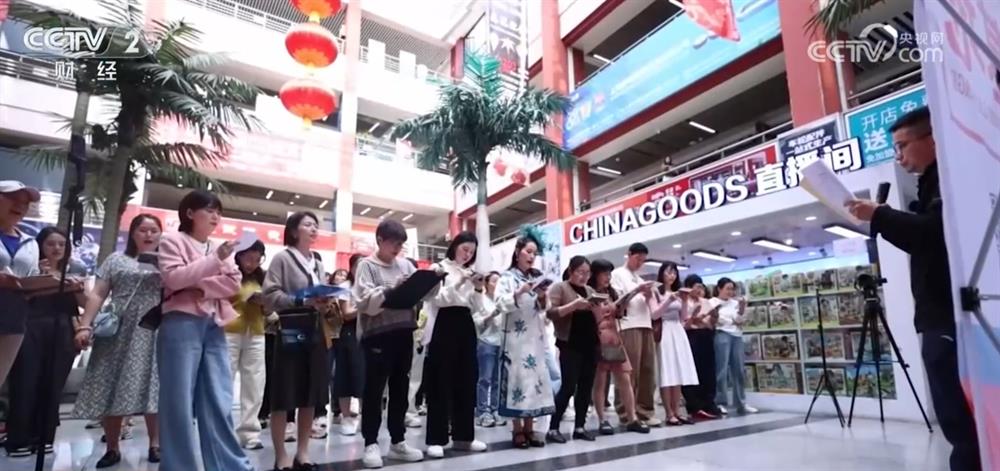
Every working day at 8: 30 in the morning, there will be a vivid foreign language class in the atrium of Yiwu International Trade City, which has been held for 19 years. From English to Arabic, some people take notes while eating instant noodles, and some people hold mobile phones to compare Arabic teaching videos.

The Arabic teacher said: "I am particularly motivated and more energetic than young people."

Driven by the guidance of local governments and the initiative of enterprises to "go global", in recent years, Yiwu has already moved into the wilderness of diversified operations, extending its commercial tentacles to Southeast Asia, Africa, South America, the Middle East and other regions. The data shows that in the first quarter of 2025, the total import and export value of Yiwu reached 167.45 billion yuan, a year-on-year increase of 13.0%. 

Chengdu, Sichuan: furniture export is seriously blocked, and many parties work together to expand the domestic market.

Chengdu is one of the main gathering places of furniture industry in China. Due to the influence of American tariffs, some furniture export enterprises in Chengdu have their orders returned. Just when they are at a loss, a turning point appears. Let’s watch the reporter’s investigation together.

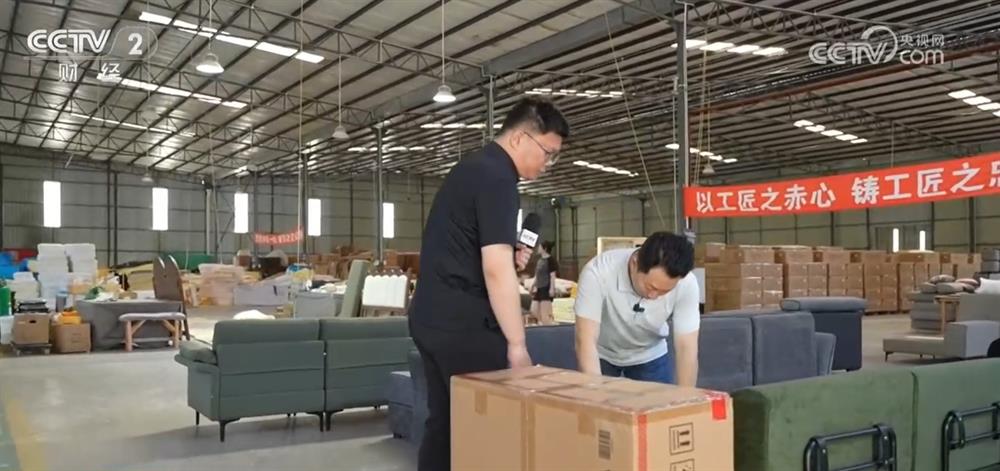
When the reporter came to a furniture production base in Chengdu, Zheng Xinwei, who specializes in furniture export business, was counting the sofa goods under the influence of US tariffs.

Zheng Xinwei told reporters that more than 90% of their products were sent to the United States, and this sudden tariff made the whole factory press the pause button. The backlog of a large number of goods makes the company’s capital chain on the verge of breaking. Faced with this situation, Zheng Xinwei seemed helpless, and the reporter had to end the interview. However, what people didn’t expect was that the turnaround came quickly. Just one day later, the reporter received a phone call from Zheng Xinwei.

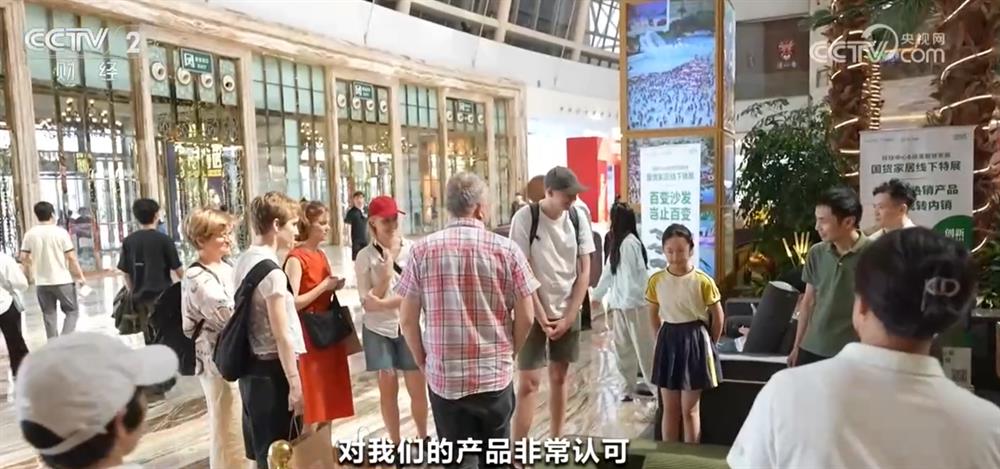
The reporter came to a large commercial complex in Chengdu and saw Zheng Xinwei’s sofa exhibition area as soon as he entered the door. Many consumers experience and consult on the spot, and Zheng Xinwei and his colleagues are also busy explaining.

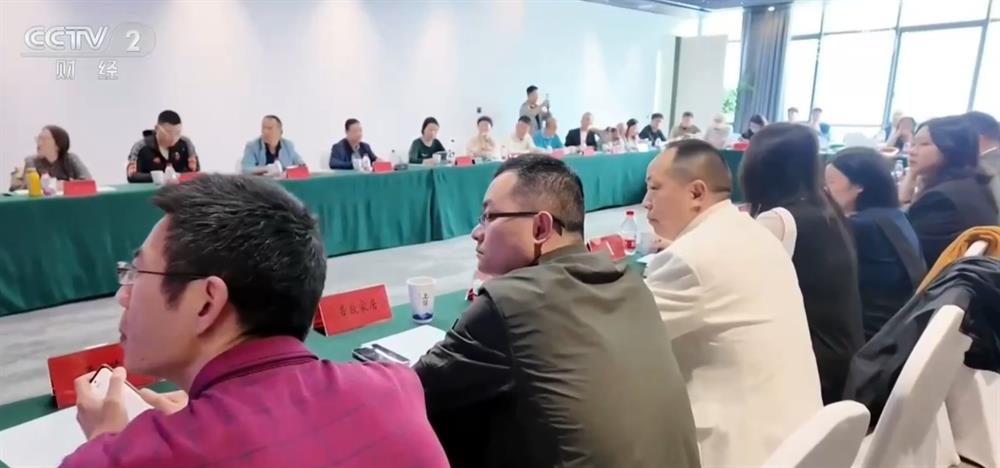
Why did the turnaround come so fast? The reporter learned that in recent days, the local authorities are also working hard to find out the needs of enterprises affected by US tariffs, accurately carry out docking activities, provide venues and channels for high-quality export commodities such as furniture, food and household items, and accelerate the introduction of domestic supermarkets and e-commerce platforms.

Zheng Xinwei, the head of a home furnishing company in Chengdu, Sichuan, said: "There are many domestic and foreign guests who have consulted in the past two days. The big domestic construction contractors have recognized our products very much, and now they have started the follow-up docking work, which has also rekindled our confidence in the market prospects."

Domestic drama CP Award: "Huzhu" is deeply sadistic, and "Night" belongs to adults? | Taotao Reaction03

author/past

montage/Li sauce

Everyone has a good weekend ~

Tonight, "Mrs. Huzhu" is coming to an end. Whether Fang Zhu and the quadratic couple in Shanghai can abuse each other and finally get married may be a blind box experience;

Next door, "When the Night Surges" has been kissed by a shirt to the rooftop to watch the fireworks, with strong sweetness.

"Female Psychologist" "A Meal" CP is cured and funny?

"The Wind Rises in Luoyang" is about to be staged. Is it really sweet to get married first?

It’s time for us to take stock of the film and television drama CP in Q4, and see which pair makes us scream again and again, and which pair makes our tears worthless!

Most desirable CP

When the night is dark

Xu Qingyou X Mo Lingze

The most desirable cp is not "When the Night Surges". The female host is a white-collar worker who is about to turn 30, and the male host is the overbearing president of the investment company. (Secretly: they invested in the woman’s company)

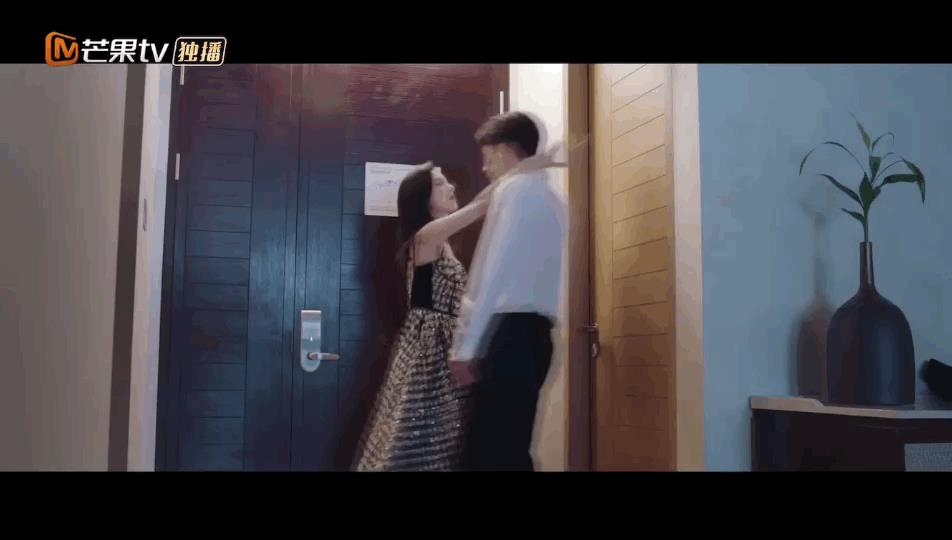
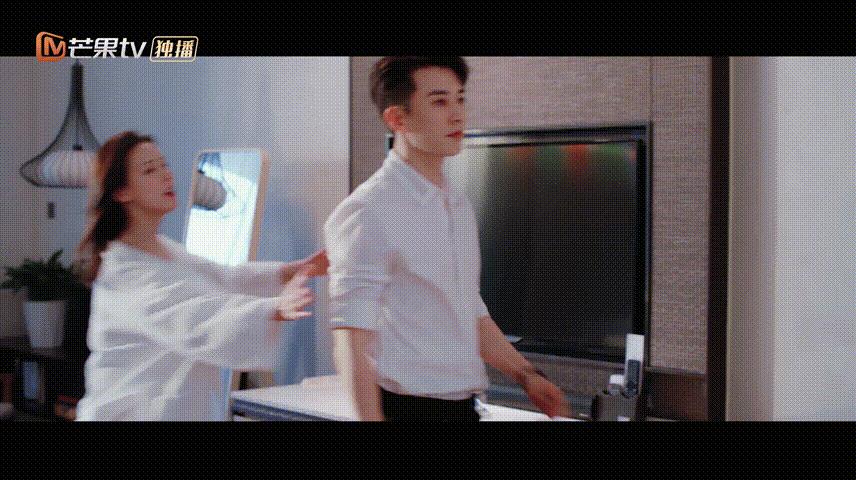
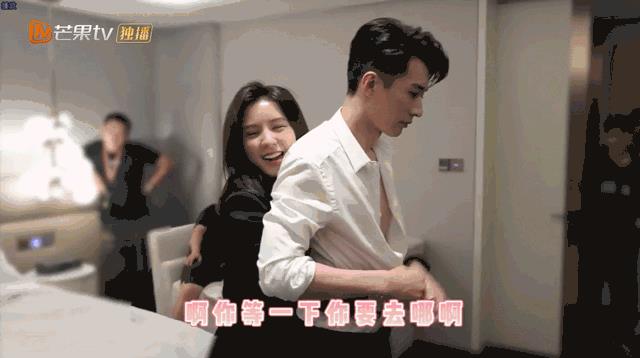
The love between mature men and mature women is exciting to think about! What kind of bed thumping and wall thumping are basic operations, and people have invented wardrobe kissing!

Liu Xueyi and Yuxi Zhang’s carved faces, if they kiss, will they knock their noses?

When Xu Qingyou learned that her boyfriend was cheating on her, she met Mo Lingze when she was drinking to drown her sorrows. At first, the two of them came to a wet temptation in the hotel. The woman touched the man’s abdominal muscles, and then they came to bed.

Although nothing happened that night, Xu Qingyou didn’t know. Later, because they met again at work, Xu Qingyou pretended not to know Mo Lingze, but who is Mo Lingze?

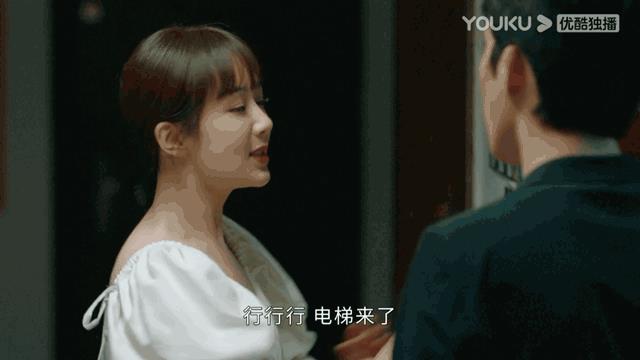
At the moment when he was about to get on the elevator, Mo Lingze secretly said in Xu Qingyou’s ear, "Director Xu, I haven’t paid the room fee yet."

Help, what kind of drama is this? Are the feelings between adults so explicit?

The most duplicitous CP

Love at first sight

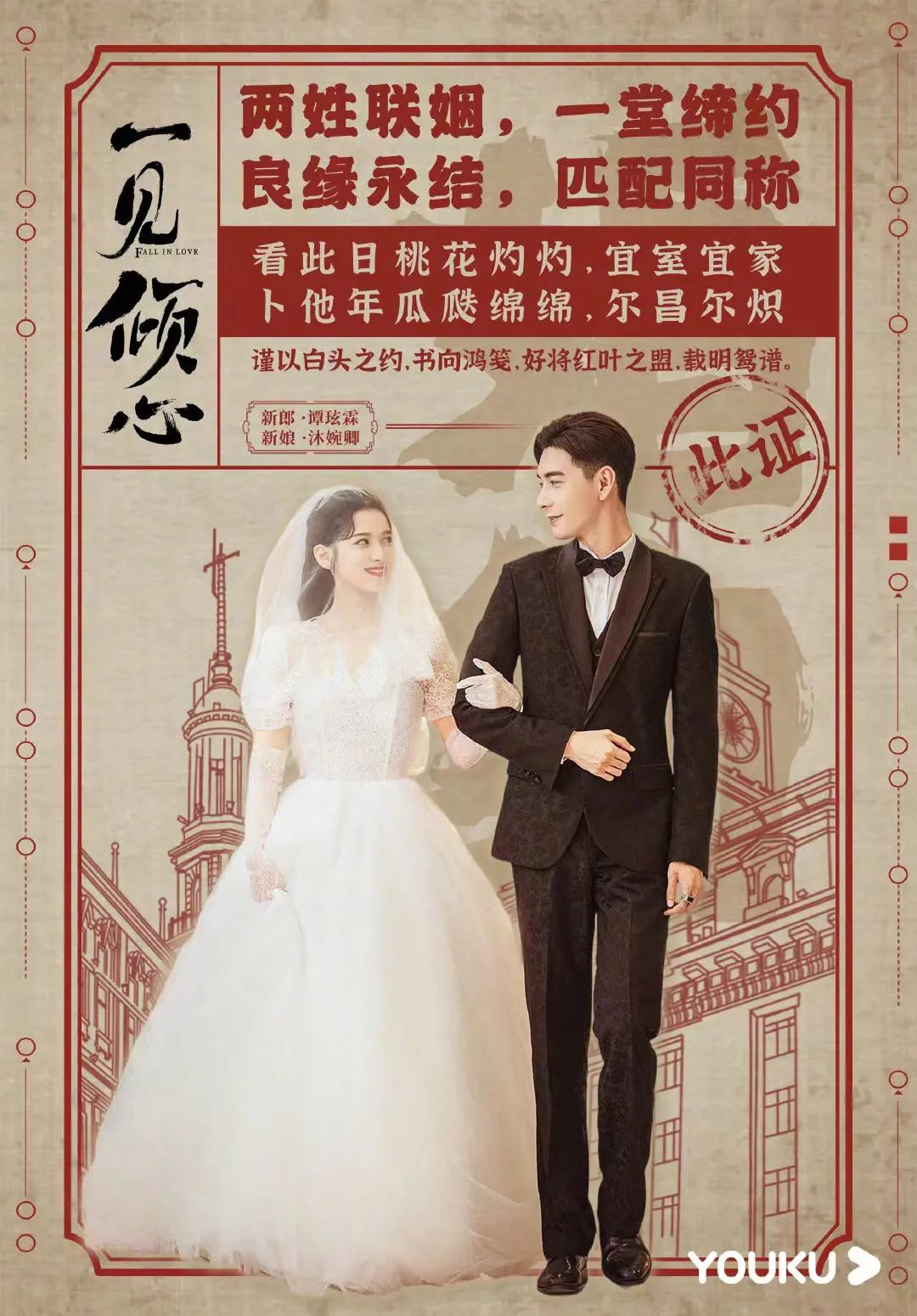
Mu wanqing x tan guilin

These two really like each other.

Let’s talk about Tan Yulin, the male leader, who took over the Shanghai Defense Command by mutiny. He was laughing and laughing, but in fact, he was black-bellied and could endure the online business, in order to raise the salary and find out the truth about his father’s death.

The hostess Mu Wanqing, the daughter of Shanghai industrial and commercial tycoon Mu Zhiyuan, is actually a black lotus flower on the beach of the Republic of China, although she is a rich young lady. It is necessary to find out the truth about her brother’s death.

Two people with different thoughts accidentally crossed paths and agreed to cooperate with each other and get what they need.

Therefore, they are actually quite suitable for each other, and they gradually fell in love with each other in the process of cooperation.

After a long time, the mouth is not forgiving. The man hosted a celebration dinner, and the woman was invited to go. As soon as they met, they talked to each other-

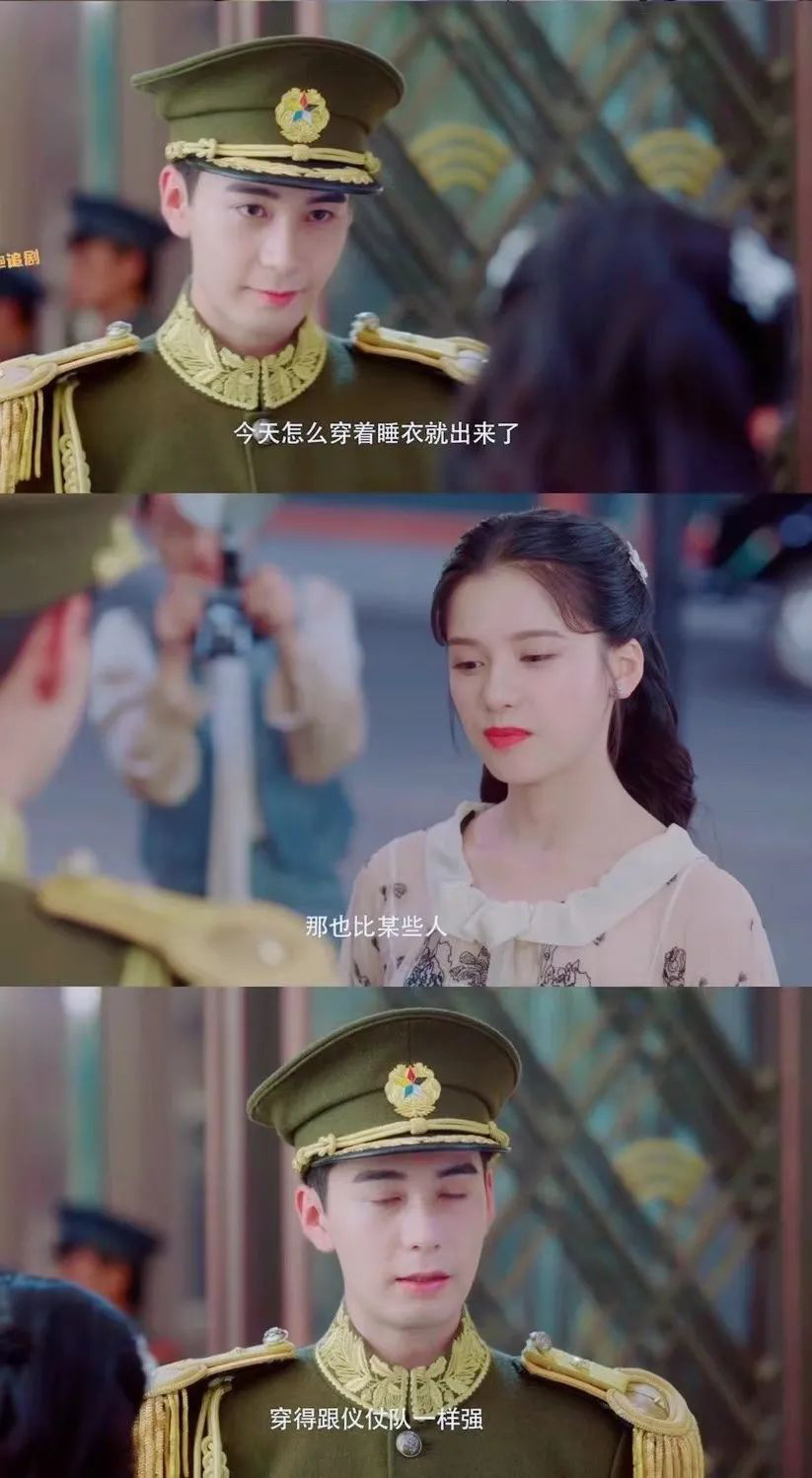
Tan Yulin: Why did you come out in your pajamas today?

Mu Wanqing: That’s better than some people dressed as a guard of honor.

Mu Wanqing was forced to entertain and drink Maotai, and Tan Yulin secretly changed the wine into water, but the hostess still misunderstood that he didn’t trust himself.

After drinking the drugged wine in a fit of pique, Tan Yulin was helpless but silently took good care of it, and his wife had to be pampered by herself.

When Mu Wanqing kissed him with the strength of wine, Tan Yulin misunderstood Mu Wanqing as a man and secretly tasted it.

Although both of them are thinking of each other, they are just dead ducks, and they talk about yue: Is this the quiet love of your time?

The most sadistic CP

Mrs. Hu Zhu

Fangzhu x fanghai city

Master-apprentice love, cultivate the department, the ancient puppet is so petty that Mrs. Huzhu can hold it tight!

At first, the story was actually quite routine. Fang Hai, a girlhood, was saved by Fang Zhu, who was the great power minister at that time, and was accepted as a disciple.

How big is the aura of master+savior? I won’t talk about it, not to mention that master is still a handsome boy! Although Master asked her to think about it and copy the rules 200 times every day, it did not affect Haishi’s love for Master:

When Master was punished by the emperor, Haishi knelt with Master. It is inevitable for a girl to be infatuated, and she likes to feel happy as long as she holds Master’s pillow ~

Later, I mistakenly thought that Master was going to marry someone else, so I asked him to go to the border guard. "Cycas don’t bloom, and Haishi doesn’t go home!"

Master has long been in love with Haishi, but as the emperor, Percy is doomed to be unable to control his own life, so he can only wait silently for his lover to be considerate. Even when he learns that his time is running out, he will not hesitate to let his brother, Di Xu Na Haishi, be Mrs. Hu Zhu and let Haishi give up on himself.

But, master, you underestimated the affection and courage of Haishi. Even though there are many difficulties, our city doesn’t want to be a caged bird, but wants to be Haidongqing and do our best for your happiness!

So this wave of sadism and gambling will be happy ending~

Top CP

The sea of stars

Jane Eyre X Fang Hengzhi

You should have heard the name of CP more or less.

They should be regarded as the story of the working girl who braved the wind and waves, and the president who cut through the thorns. Come and learn the president’s classic quotation of Marisol-

"Lam Group is mine.

You, too. "

"Don’t leave me unless I die."

"I don’t want money, I’ll pay you back."

Help, although I know that this "pay me back" is for the hostess to join his company, I was caught by this line that is comparable to the earthy love story!

After confirming the relationship, the two men also had a wet love with water pipes in the street. This is not finished. The key point is that later, in order to save Jane Eyre, Fang Hengzhi watered her again with a water pipe.

After watering the hostess thoroughly, he said, I won’t give up! Then she walked away, leaving the woman standing in the street soaked to the skin.

Later, the man wanted to get engaged to someone else for his family and career, which severely hurt the woman’s heart.

Two people again a break-up plot to catch a horse:

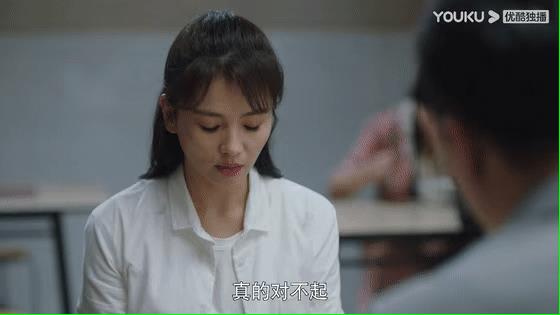
Fang Hengzhi: "Look at me with the eyes you used to look at me!" "

Jane Eyre: (eyes full of hate)

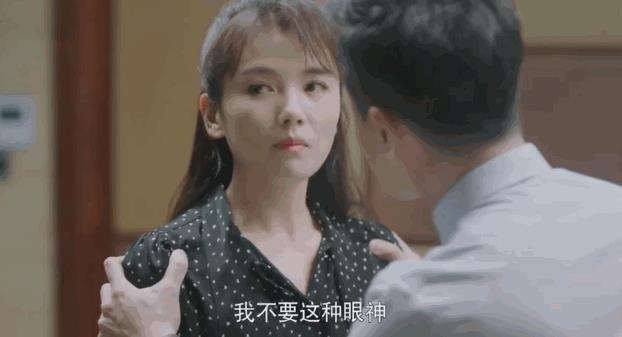
Fang Hengzhi growled: "I don’t want this kind of look! !”

Then staged a scene of squeezing Jane Eyre’s shoulder in a roar, "Does it hurt? I am a hundred times more painful than you, a thousand times and ten thousand times! "

Jane Eyre: What does it have to do with me?

Fang Hengzhi: Get out!

Ok, you two are the best horse catchers of the year. This story tells us that ups and downs of love are not for young people, and middle-aged people also have unlimited passion!

Best at routine CP with each other

Biography of Jianan

Jiang Baoning X Qian Li

One is a high-ranking princess, and the other is an imperial bodyguard with a flat identity. Two people cross the class, fall in love, go through many hardships, and finally make a positive result!

Who wants it? It’s me!

The daily summary of the relationship between the two people in Jianan Biography is two words: routine!

One second, the man who smells like tea in the tea can lift a person as strong as an ox. The next second, the woman appears, and immediately she is weak and wants to hug. The man is injured, and the woman refuses to eat, and she has to steal the fragrance when she is close. Gee ~

This is not the end. The woman refused to let the injured man drink. After the woman walked away, the man secretly took a sip. When the woman found out, she pinched the man’s chin and smelled if there was alcohol. Guess what the man did at this time?

Biography of Jianan should be nicknamed "How to kiss your wife 108 times"?

Is the sense of CP the most important point for idol dramas?

In my opinion, yes, but not all of them. There are many dramas that I really want to watch when the official hero and heroine are announced at the beginning, such as The Lonely Queen, played by Chen Xiao and Chen Qiaoen before, but the actual story is hard to attract people to watch.

Starring with a sense of CP is only the first level. After this level, there are other levels such as plot and acting.

Recently, domestic dramas have been on the hot topic for 10 years. Women who don’t take care pretend to be men, embrace slowly in a roundabout way, and save the United States by a hero who stumbles on the ground. I’m really tired of watching them. When I was passionate about cp, I also called on the majority of drama parties. Can I give the screenwriter more salary and write a love story that is not routine and not suspended?

Talk about two words:

In the near future, you also want to hear what TV dramas cp we are talking about. See you in the comments (ω).

(If you like this article,Click on the topAKA TaodaodaoPay attention to WeChat official account,There is no shortage of good stories here ~)

Supplementary Notice of Beijing Municipal Health Insurance Bureau, Beijing Municipal Finance Bureau and Beijing Municipal Health and Health Committee on Doing a Good Job in Medical Security of Pneumon

Beijing Medical Insurance Fa [2020] No.2

District medical insurance bureaus, finance bureaus, health and wellness committees, social undertakings bureau of Beijing Economic and Technological Development Zone, financial audit bureau, and relevant designated medical institutions:

  In order to implement the decision-making arrangements of the CPC Central Committee and the State Council, according to the Supplementary Notice of the Office of the State Medical Insurance Bureau, the General Office of the Ministry of Finance, and the General Office of the National Health and Wellness Commission on Doing a Good Job in Medical Security for Pneumonia Infected by novel coronavirus (Guo Jian Bao Dian [2020] No.6) and the deployment requirements of the municipal party committee and government, we should do a good job in medical security for pneumonia infected by novel coronavirus. In the early stage, the Notice on Doing a Good Job in Medical Security for Pneumonia Infected by novel coronavirus (Jing Jian Bao Fa [2020]

  First, further raise awareness. All relevant units should fully understand the importance and necessity of prevention and control of pneumonia in novel coronavirus, strengthen unified leadership and unified command, and implement the decisions and arrangements of the CPC Central Committee with a highly responsible attitude towards people’s health. The main responsible comrades of medical security departments at all levels took the lead in setting up a leading group to actively do a good job in prevention and control.

  Second, effectively protect the medical expenses of suspected patients. On the basis of ensuring the medical expenses of confirmed patients as required, during the epidemic period, after the medical expenses of suspected patients determined by the diagnosis and treatment plan of pneumonia infected by novel coronavirus in the health department are paid according to the regulations, the personal burden will be subsidized by the municipal finance, and the required funds will be paid in advance by the treatment hospital, and the municipal finance will settle the actual expenses.

  Third, ensure that patients diagnosed and suspected of seeking medical treatment in different places are treated first. The expenses paid for medical insurance in different places shall be paid in advance by the medical insurance department of the place where the medical insurance is sought, and the information records of the insured patients in different places shall be kept and the medical expenses shall be accounted for. After the epidemic is over, the national unified organization shall conduct liquidation. The personal burden of medical expenses for patients diagnosed in different places shall be implemented by the medical place in accordance with the relevant provisions of the Notice of the Ministry of Finance and the National Health and Health Commission on the Policy of Guarantee of Funds for Prevention and Control of Pneumonia in novel coronavirus (No.2 [2020] of Caishe) and the Notice of Beijing Municipal Bureau of Finance and Beijing Municipal Human Resources and Social Security Bureau on the Policy of Guarantee of Funds for Prevention and Control of Pneumonia in novel coronavirus (No.135 [2020] of Jingcaishe). The medical expenses of suspected patients seeking medical treatment in different places shall be implemented according to Article 2 of this Notice.

  Fourth, dynamically adjust the scope of reimbursement and update the information system in time. On the basis that the Municipal Medical Insurance Bureau will temporarily and timely incorporate the drugs and medical services of the novel coronavirus infected pneumonia diagnosis and treatment plan formulated by the health department into the payment scope of the medical insurance fund, all designated medical institutions should update the relevant information systems in time, do a good job in docking with the medical insurance information system of our city, and ensure the timely uploading of medical expenses.

  Five, cooperate to do a good job in epidemic prevention and control of drugs and consumables procurement and price monitoring and supervision. For drugs and medical consumables needed for epidemic prevention and control, medical institutions can purchase them first and then put them on record according to regulations. Medical security departments at all levels should pay close attention to the changes in the price and supply of related drugs, and notify the relevant departments in time if the supply and price are abnormal.

  Major problems and situations encountered by all relevant units in their work, please report to the Municipal Medical Insurance Bureau, the Municipal Finance Bureau and the Municipal Health and Wellness Committee in a timely manner.

Beijing Municipal Medical Security Bureau

beijing finance bureau

Beijing Municipal Health and Wellness Committee

January 29, 2020

Do you want to learn sketch in Chinese painting? What about oil painting, printmaking and sculpture?

Do you need to train sketch to draw Chinese painting? What is the current situation of sketch art and sketch education in China? Reporter The Paper (www.thepaper.cn) visited experts from major art institutions and art colleges in Shanghai to discuss this topic from various aspects such as Chinese painting, oil painting, printmaking and sculpture.

Zhang Peicheng (Vice Chairman of Shanghai Artists Association):

If Chinese painting wants to draw lessons from sketch, it must be cut in the way of Chinese painting.

Do you need to train sketch to draw Chinese painting? This issue has been controversial for a long time.

Everyone has a different understanding of the connotation and extension of sketch. Personally, I think that no matter oil painting, Chinese painting, printmaking or even abstract art, they are all in modeling. If sketch is a convenient way to solve modeling problems, it should still be necessary to learn sketch. Of course, there was no concept of sketch in ancient China, but the line drawing at that time was also a kind of sketch to some extent.

Sketch is actually a kind of judgment on modeling. This is the ability to feel the object.I think this ability to feel is very important for an artist. For example, when he sees a person, a scene or a bottle, he will feel and have the impulse to express himself. If this sensibility is innate, it is also necessary to tap this potential through sketch training. Of course, there are different ways of sketching, such as passively simulating nature and actively expressing objects. In fact, Chinese painting is adapted to the latter.

Western sketch also solves the problem of space. Stereo and perspective are basic skills in oil painting. For Chinese painting, the picture is flat. Even if we want to draw more realistic Chinese painting now, this space is different from oil painting. So,If we want to learn sketch in Chinese painting, its emphasis must be different from that in western painting. Otherwise, it will bring many negative effects.

In fact, among some Chinese painters older than me, some are very successful artists, but they still encounter bottlenecks. The reason is that too many western sketches were instilled in those years, and this influence is hard to get rid of, and problems arise when they are expressed with brush and ink lines of Chinese paintings. This kind of sketch training has become a shackle, which makes the performance of Chinese painting very free. From this perspective, sketch and Chinese painting are two systems. Especially for painters who paint landscapes, flowers and birds, it is absolutely impossible to use this sketching method to train, and they can’t paint plaster like western painting, and they can even not sketch.

But from a broad perspective, the sketch of Chinese painting can be trained in another way. For example, China’s drawing characters requires strong modeling ability, so modeling training is essential. The expression of Chinese painting is written, which requires the painter to express what he wants to express in one go very skillfully. If he hesitates a little in modeling and the pen stops, his writing will be greatly affected, and his breath will be "broken" immediately. However, the modeling training of Chinese painting should not draw long-term homework, otherwise it will damage the artistic expression.

Zhang Peicheng’s sketch works

In addition, the drawing method of Chinese painting sketch should also abandon the method of completely simulating the object and drawing in an orderly way. In today’s era, we should also encourage the diversity of modeling, draw our own feelings and create freely. I think this is more in line with the requirements of art.

In fact, in ancient times, although we didn’t learn sketch in the western sense, we also learned modeling by studying mustard seed garden and earlier pastels. For example, painting flowers requires a very good understanding of the structure of flowers. Take Qi Baishi as an example. He has never drawn a western sketch, but he knows the structure of the object very well. I remember once reading a document that Qi Baishi wanted to draw a duck. He carefully studied what the other paw was like when the duck landed on the ground, and he knew it clearly.Strictly speaking, we can also understand his process of figuring it out as a kind of sketch, because he is not only figuring it out in his mind, but also showing it in writing, so this is actually a study of modeling.Therefore, for Chinese painting, the training of sketch should have its own set of methods, instead of being "led by the nose" by the object, it should not be too realistic, but should capture more meaningful shapes.

Qi Baishi’s Works (Partial)

Teachers should always inspire students’ feelings about art. If everyone has their own unique interests, they can find themselves, and our art world will be rich and colorful. Although it’s hard to do. Of course, it is also necessary for traditional learning. Otherwise, this culture will not be handed down.

Traditional Chinese painting teachers used to teach students the modeling of objects and a program when teaching. Students know what peony looks like, how many painting methods there are, and the unique formal language of Chinese painting, that is, the program of painting. I think there are advantages to this, but there are also shortcomings, that is, unless students of Chinese painting have special talents, they can leave their teachers and draw peony and bamboo that are different from their teachers, otherwise they will easily fall into a stylized mode.

In fact, creation should go out and face nature directly, and sketching is very important. Of course, subjective things can be completely integrated into one’s heart. I have seen Mr. Zhu Qizhan’s sketches, and he hooked a house with a small notebook and pen, and so on. Many things are in his heart.

I can say that people who paint bamboo now rarely go out to see real bamboo, but only from the program, so people all over the country may paint the same bamboo. The program created by our ancients was summed up against real bamboo.If we have the ability to sketch today, we can also create a new program for today’s bamboo-this program is different from the ancients, but it is connected with the roots of our national culture. And this requires the ability to shape objects.

Just after the Cultural Revolution, the Ministry of Education had a big discussion about whether Chinese painting should be sketched. Is sketch the basis of Chinese painting? I think it is definitely wrong to say that "sketch is the basis of Chinese painting". But the modeling ability of sketch can be used for reference by Chinese painting. And this kind of reference should be cut in the way of sketching in traditional Chinese painting. In my opinion, students of Chinese painting can draw with a brush when they are in sketch class. For example, painting plaster Voltaire, you can draw it like him or not, but it has a lot of brush strokes in it. In this way, the bondage of western-style sketch to Chinese painting can be greatly reduced.

Jiang Jianzhong (Director of Oil Painting Department of Shanghai Academy of Fine Arts, Ph.D.):

Sketch is a "buffet", and you can find yourself only by choosing it individually.

At present, the art scene in China is surging, but the concept of sketch teaching has lagged behind. At present, the meaning of sketch understood by the oil painting major in the Academy of Fine Arts in class is still the second-hand pirated mode of the former Soviet Union, and sketch is already a kind of "stereotyped writing" and a dogma; Placed in the background of the times, it is like salted fish in the refrigerator.

Sketch is like a swamp on the road to the other shore. If the sketch foundation is poor, the picture will be weak. However, for a long time, most of the students in domestic colleges walked into this muddy swamp, but it was difficult to extricate themselves. In the Academy of Fine Arts, sketch classes are met every day, but how to draw sketches today? Most people have not thought about it, but still follow the sketch dogma, and students learn passively. Students only know how to grind a sketch very delicately, but they don’t know how to capture features, how to shape, and how sketch is a way to recognize things. They only use models as props to sketch, which has no vitality and soul.

Students don’t know what to achieve through the rules while learning the rules of sketching.Most students enter the Academy of Fine Arts because they love painting. In the cultural class, they can’t help but smear some strokes on the textbooks and sketch some naive but vivid characters. But when they entered the classroom and faced the models, those imaginations were gone. They are lost in the baggage of "Soviet-style" sketches, and their eyes are blocked by countless blocks, tones, methods and laws, which create obstacles. Every stroke of his works is to embody these laws, but as for the vivid characteristics of the objects and his own feelings, he is numb.I think many people have this experience. When parents feed their children hard every day, the effect is often counterproductive, and the result is anorexia.

In the mode of passive education, there will also be a freak. The more students master the traditional plaster skills, the less they want to create after graduation. In our country, the sketch of college entrance examination is more exam-oriented education, and there are very few personalized things. This "publicity" criterion is very practical for knocking on the door of university, but after entering university, this sketch is unfavorable for a student to become an artist. Students should look for a "private" sketch road from their own hearts and feelings, not too much "publicity". In my opinion, students majoring in oil painting should advocate short-term homework and sketching, and train their eyes’ sharpness and modeling generalization. Capture the most vivid things in the most concise way. In fact, the growth path of ancient western masters is more about drawing short-term homework.

In fact, tradition is dynamic, and you need to "find" tradition according to your own needs.The history of eastern and western art is so long and rich, can you swallow it all? If you can’t digest it, it will be of little value to you. You can only choose the food suitable for your gastrointestinal structure by buffet. If Van Gogh goes to learn from Angel, then Van Gogh does not exist. When you discover and "digest" those "traditions", you will experience the mystery of "transformational creation" and you will gradually discover yourself.

The training of sketch is not only realized by sketching or simulating objects; More importantly, according to one’s hobbies, nature and times, one should constantly absorb and revise the history of art in terms of concepts, expression techniques and modeling, and borrow the experience of predecessors in sketching and implant it into reality.

Jiang Jianzhong’s sketch works

Due to historical reasons, many successful artists found themselves in the oil paintings of western masters after the "reform and opening up", not in sketches. Therefore, most people are more accustomed to thinking and expressing their ideas directly with oil painting materials and tools on canvas, and rarely think or explain their personal artistic views in the form of sketches. Sketch is only regarded as basic training, not an independent art. Many people completely separate creation from sketching. When sketching, it is a mode of thinking, and when creating, it is a set of mode of thinking, which sets them against each other. However, the works of such painters are hard to go far.

Therefore, sketching has been a long time for some artists, just like a student’s exam. After that, he can’t wait to dump his textbook. great escape doesn’t want to look back. Sketch belongs to a position that is hardly even marginal in China.In fact, for artists, sketch is still very important, and it is the artist’s artistic position. Sometimes the record of sketch is more appropriate, natural, simple and convenient. Sketch is an artistic note, an artist’s psychological trajectory and behavior, a front stop of creation, a part of creation and creation itself!What kind of sketch there is, what kind of oil painting there is. Such examples abound in history, such as Van Gogh, Angel, Egon Schiele, Freud and so on.

It is urgent to find your own thinking point and cultivate independent thinking ability, starting from yourself! Please choose your favorite painting style in stages from the huge menu of art history, and look for excitement! Especially when I was a student,We should constantly replace the slippers of masters, wander between art history and objects, and look for interfaces between life and history, and between modernity and tradition. Don’t put basic training in opposition to creation, there should be creative elements in basic training.Maybe this should start at the same time as the first day of laying the foundation!

By the way, in contemporary times, the modeling training of oil painting major and Chinese painting major is facing a common problem. If sketch is regarded as methodology, its meaning will be very broad. In fact, all ethnic groups in the world have their own modeling methods and uniqueness in understanding the world, but they are marginalized.

The difference between China’s traditional modeling concept and the West is that Chinese’s sculpture concept follows the painting, and the clothing lines are completely flat lines, paying attention to density, accessibility, smoothness and implication, and pursuing plane. Western painting follows the sculpture, paying attention to light and shadow, space and strength, and pursuing volume. It is for this reason that beginners advocate painting plaster statues.

Perhaps the world has always been diverse, but for various reasons, we have forgotten our traditions. Interestingly, the concept of Chinese painting specialty has appeared the thinking phenomenon of western sketch, while the west is close to the planarization of the East. In the formation of her culture, a nation is still choosing something suitable for its national development, and is always in the process of absorption, exclusion and integration. Choosing and teaching students how to find food is the most important thing.

The development of western aesthetics basically follows the development of science.The traditional concept of sketch is the result of westerners’ understanding and grasping of the natural world. However, after the popularization of photography technology, the concept of sketching to reproduce nature has been in crisis … If the history of China since the 19th century is a response to the West, can the present era finally be regarded as "the response of the West to the East"?If we bypass the strange circle of cultural opposition between the East and the West, it is possible not to fall into other people’s cultural nests or our own nests. Perhaps, what we have to do is to stand on our own soil, trace back and sort out the cultural traditions of the East and the West from our personal perspective, and integrate them to generate ourselves.

Lu Zhiping (Deputy Director of Print Art Committee of China Artists Association):

Activate the "Eighteen Martial Arts" of Sketch, and enlighten diverse and diverse creations.

The idea of sketch originated in the west. butIf sketch refers to all monochromatic paintings, then in a broad sense, the method of sketching lines with a brush in ancient China can actually be regarded as a sketch.. Even now, some people think that ink painting is a form of sketch, but it was not called that at that time. In fact, most of the early artistic creations in the world are expressed in monochrome, such as rock paintings, rubbings and so on.

Sketch is beneficial to the introduction and development of all plastic arts. For printmaking, for a long period of history, it is mainly monochrome, such as early black and white woodcuts, copperplate prints, lithographs, etc., so printmaking and sketch have a special origin. Sketch should be regarded as an important support for printmaking.

In the field of teaching, how to understand and deal with the relationship between sketch education and printmaking has always been an important topic.Before and after the "Cultural Revolution", in order to make basic teaching connect with printmaking (especially black and white woodcut) more quickly, some domestic art colleges specially designed a set of sketch teaching system at that time. They trained sketch not from light and shade, but more from structure and block. This is a special sketch specially designed for printmaking teaching.

This idea was reasonable at that time, and it was quite effective in promoting the development of printmaking at one stage. But from now on, everything has advantages and disadvantages.At that time, the basis of sketch teaching was: printmaking should have a fixed pattern-large area, big black and white, and sketch served this fixed pattern. However, when the country was opened, it was found that in fact, the forms of printmaking were various.For example, some copperplate paintings pay special attention to light and shadow, while some prints emphasize line texture and sense of form. And different sketches may inspire artists to create different styles of printmaking works, so that printmaking presents a richer look. In this way, it is one-sided to set a fixed routine for a sketch to correspond to a print from the beginning.

Lu Zhiping’s print "The Old Man"

In fact, it is the same in the creation of Chinese painting. For example, if you set the Chinese painting to use lines at the beginning, you emphasize that students should use line drawing more often, but later you find that Chinese painting can also be splashed with ink and boneless, and there are many other methods. The training method of setting the box at the beginning may become a constraint for students. On the contrary, if students are encouraged to try a variety of sketches at the beginning, they will have a broader vision no matter what kind of artistic creation they are engaged in in in the future. From this point of view, sketch is not only a means to teach students to draw, but also a training of observation method and thinking mode. Isn’t creativity advocated in all fields now? Then I think sketch can be used as a way to break through the original frame. It may be more meaningful and reasonable to practice sketch in this way.

As for the sketch examination method widely criticized in college enrollment, I think it is caused by the accumulated disadvantages in the whole education field for many years, which is completely utilitarian. Let the teacher set a model to facilitate grading and admission, and less consideration is given to whether it is beneficial to students’ future growth. Many students like me can be said to be "victims" of this educational system. Because in many cases, our print creation does not advocate to describe the object in front of us truthfully, but emphasizes creativity, so many students feel at a loss and have no direction after they arrive.

We try to let the students learn to change their original thinking that relies on describing objects by observing, summarizing, choosing, imagining, mutating and creating, and let them gradually reverse their thinking mode by using abstract methods, imaginative methods and design methods.

For example, when training students to practice composition, I will ask them: Can ten different pictures be constructed from the same theme? For example, can the same three apples be placed in a variety of ways? Can black-and-white relations be handled differently? This forces them to open their minds. When their composition is finished, I say that at this time, you can choose the one you think is the best. In fact, as long as the mind is open, the hand will keep up. Sketch and composition training are both a form of sketch, which is not only a creative means, but also a support for thinking. The later draft may not be exactly the same as the sketch composition, but it doesn’t matter. The creator can see more lines and possibilities from behind one of the lines, thus getting rid of the dependence on the object.

Of course, I think it’s beneficial to know and try any kind of sketch form, including the plaster statues widely criticized in college enrollment. In fact, there is nothing wrong with learning how to push the work deeper. The problem is that it is wrong to regard such a sketch form as the only golden rule. I think it would be great if we could master the Soviet-style rigorous observation method and step-by-step molding method, and at the same time jump out of it.

I have received this Soviet-style education before. My teacher at that time told me, "After three years, five years and ten years, you will probably realize the effect of this long-term homework on you." Now I have a deep understanding,The value of long-term sketch is not to restore the object realistically, but to let me learn to observe carefully and comprehensively;Learn to make careful and rigorous trade-offs; Learning the expression of full and proper layer-by-layer promotion can also be used to study and explore a variety of expression techniques. This is the training of ability, thinking and mentality.

In plastic arts, printmaking may be a kind of painting with particularly rich styles and techniques, so the corresponding sketch forms should also be varied. For example, there is a technique called "Merutin" in copperplate prints, which pursues rich and subtle color changes, unlike black and white woodcuts. For this printmaking technique, the Soviet-style long-term sketching work will come in handy. Eighteen kinds of martial arts have their own merits, depending on who they are suitable for and on what occasion.

Some students or schools in the west don’t attach importance to sketching and can’t draw, which should not be the object we must follow.Of course, their training methods that attach importance to thinking also have some merits, but this does not mean that "being good at hands" is wrong. Now western painting is also returning, and it is normal to go astray for a period of time, and some overcorrection is also normal. As for us, there is no need to change our minds and follow the trend, as if everyone can’t draw is the "right way", which is completely unnecessary.

Yang Jianping (Vice President of Shanghai Academy of Fine Arts, Professor of Sculpture Department, Doctoral Supervisor):

At present, sketch teaching is like smog, which is a "syndrome"

Sketch, as its name implies, is a way to describe an image in a simple and simple way. Historically, sketch and sculpture are closely related.For sculptors, sketching is a basic training, but also a way to record ideas and creative inspiration. Many sculptors leave a lot of manuscripts besides three-dimensional sculptures, such as Michelangelo and Rodin.

Michelangelo sketch

Relatively speaking, China’s traditional sculptures and paintings are different from western classical realistic styles and methods. It has unique artistic modeling styles and creative methods handed down from ancestors.The ancient sculptures in China have their own strict styles. Through the description of pastels and the dictation of written data, for example, the opening of a Buddha statue has very specific data, all of which have statutes.The East emphasizes inheritance rather than innovation, but these shapes are unique. Therefore, sketch, as a basic practice or recording creation method, has many forms in a broad sense.

Sculpture itself, due to the different cultures, materials and concepts between the East and the West, finally presents a very diversified style, even in a conceptual and installation way. As a sketch teaching, we should also keep up. Otherwise, you just train every student to draw concrete, but in the end, many people actually don’t do concrete at all. It’s not that the "academic" sketch we are learning now has no merit, but at least it’s not good for all of us to do it. There should be a distinction. For those students who insist on figuration, let them study the traditional realistic sketch well. Other students can learn from it, but there is no need to spend too much class time on it. Different students should have different training emphases.

There are various ways to sketch, for example, Bauhaus’s sketch training method is to draw structural relations. Look at the traditional masters, such as Michelangelo, Leonardo da Vinci, Holbein and Diu Lei. Those lines are beautiful and expressive. We should oppose dogma and have active thoughts and critical spirit.

Yang Jianping’s work "Jing Zhe"

Our generation learned to sketch, and they danced all the way in "red dancing shoes" and enjoyed it. We visited a place, took out a sketch book and recorded it. It was very enjoyable to start painting, and a painting took half a day. But today’s young people are different. They are willing to take out their mobile phones to take a photo and make a video, which saves time and effort. Their current inspection is more about experience, with a faster pace and more things to see. In the Internet age, such a change is sometimes understandable, but it also raises a question: What kind of basic training do we need and what kind of sketch do we want to draw? Since the birth of photography, it has been an impact on documentary painting, and the artistic expression after that is more of an idea. Do all our students still draw the same sketches like photos? There must be something wrong with this.

We usually say that the master sketches well. In fact, Leonardo da Vinci was not only a painter, but also a naturalist, a scientist and thinker. Now we always say that we should learn from the lines of masters, but people are comprehensive. A person is an artist because he is capable and thoughtful, so he can paint well.The sentence in the allusion of my skillful solution to the cow "I am in a good mood, and I am also a Taoist;" It’s very reasonable to enter the skill. Now people have to "skill" instead of "Tao", putting the cart before the horse.

This also has a lot to do with our current college entrance examination system. It is these patterned sketches that students learn all day for the exam, and they don’t know what to do after entering the university. Some people think that’s how sketches should be drawn. So the students who come in are the students the teacher wants? But if you don’t want it, who can you want? China, with such a large population, how can we get into universities without this method? The sketch of the college entrance examination is indeed widely criticized now, but it is not that simple to reform it.

The existing problems in art education are actually a "syndrome", which is related to the national conditions in China, just like the smog in China. You said that students only know how to paint plaster, and you can’t blame them. They lacked aesthetic education since childhood. On the other hand, after graduation, students in China need to find jobs for their survival and family expectations, so what they have learned has to be "practical".To some extent, the Academy of Fine Arts does not train artists in China, but solves the problem of social employment.

The syllabus clearly says "sketch head" and "still life". You must take this course even if you don’t approve it. Comparatively speaking, the postgraduate stage is relatively flexible. In a word, a series of problems such as national conditions, education system, teachers and even ideology make the teaching reform difficult.

(This series of articles was compiled by Jiang Cen according to interviews)
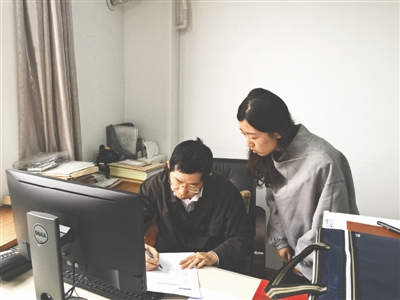
China’s trade goes global, starting from the thirteen lines in Qing Dynasty.

China’s trade went global. From 1757 to 1842, the 13th Canton was the only "special zone" for the Qing government to trade with Europe and the United States, which made the city retain its memory and make people remember its homesickness. Guangzhou is a famous cultural city with a history of more than 2,000 years. Every street and lane has a long story, and every brick and tile has a meaningful memory. Today, Xiaobian will appreciate the heavy memory of this city with you, appreciate the spirit tradition of tolerance and openness for more than 2,000 years, and appreciate the endless literary context; Together with you, under the illumination of history, we can understand today and Guangzhou, thus strengthening our cultural self-confidence. In 1757, with the promulgation of the imperial edict on foreign trade in which Qianlong only left Guangdong Customs, the foreign trade of the Qing Dynasty was locked in the thirteenth line of Guangzhou. As the only exchange center between Chinese and Western civilizations for 85 years, it is a Chinese and foreign trading place located on the edge of the Pearl River, where foreign ships gather at the thirteen ports, and almost all major countries and regions in Asia, Europe and America have had direct trade relations with the thirteen banks. It has global trade routes to Europe, Latin America, South Asia, East Asia and Oceania. It was the only surviving node of the Maritime Silk Road under the closed-door policy of the Qing government at that time, bearing the gestation and development of modern China’s commercial economy. Although the thirteen lines have disappeared in the long river of history, their historical influence has been continuing. Two hundred years later, history once again chose Guangzhou to undertake the historical mission of "gathering customers from all over the world and selling goods from all over the world". Thirteen lines and the Canton Fair jointly compose the colorful movement of the Maritime Silk Road.It became the epitome of China’s opening to the outside world and economic development in modern times. A long scroll showing the style of the thirteen-line business hall in Qing Dynasty. Where did the thirteenth line come from? Kangxi’s sea trade gave birth to the "Thirteen Lines" and made Guangzhou "trade in one mouth". This was a scene in the 18th century-the Swedish merchant ship King Frederick was sailing off the South China Sea in China. This is a large sailboat of that era. It started from Europe and will arrive in Canton after more than a year’s voyage. In the eyes of westerners, China is a country of silk, porcelain and tea, and there are countless exquisite handicrafts, showing a profound culture. They were pleasantly surprised to find China. Fortunately, the Swedish ship escaped the stormy waves of the Cape of Good Hope, the piracy in Malacca and the threat of epidemic diseases on board, and completed the voyage with 20% staff reduction. Only half of the sailboats that set out with them can reach Guangzhou. Paying such a high price is for the maiden voyage of trade between China and Sweden. After leaving Gothenburg, Sweden, King Frederick went to Spain for the silver that was commonly used in China, and arrived at Lingding Island in Guangzhou on September 6, 1732. During the four months of berthing in Guangzhou, King Frederick ordered 151 large boxes and 1801 bundles of porcelain from more than 10 foreign firms in China, totaling 49,906 pieces. And 2183 boxes of red and green tea. After sailing from Guangzhou, King Frederick returned to Sweden after eight months. Porcelain exported in the Qing Dynasty is bright in color. At that time,Every year, hundreds of such merchant ships come from afar, enter the South China Sea of China through a long waterway, and then go north along the Pearl River to reach Guangzhou, then known as the southern gate of the Eastern Empire. In fact, during the Ming Dynasty, overseas trade was not always smooth, and the imperial court often declared a "sea ban", which lasted until the early Qing Dynasty. In the Ming and Qing Dynasties, the sea was closed for 300 years. However, Guangzhou’s ship management organization, Shiboshi, was preserved and continued to play a role in promoting cultural exchanges between China and foreign countries. The model of the Swedish merchant ship Gothenburg, which sailed to Guangzhou three times in Qing Dynasty. After Kangxi unified Taiwan Province and put down the San Francisco Rebellion, he began to consider the economic and tax balance of the whole country. He sent Shi Zhu, a cabinet university student, to Guangdong and Fujian for inspection to prepare for the sea trade. Because smuggling is popular, there is opposition in the court. Kangxi asked Shizhu, "How many houses have you been to in Guangdong?" Shizhu replied: "Zhaoqing, Gaozhou, Lianzhou, Leizhou, Qiongzhou, Guangzhou, Chaozhou, etc., where the people said that they had left their homeland for more than 20 years, and now the emperor has leveled the bandits and can go back to their homeland." Kangxi asked again, "So, people are happy to live by the sea, why don’t you allow it?" Shizhu replied, "The sea was sealed in the Ming Dynasty, so we can only do as usual." Kangxi was very dissatisfied and said: "The frontier ministers should take the national economy and people’s livelihood as their thoughts. Although the sea is forbidden today, people who trade privately also go to sea to make a living; To be honest, if you are not allowed, it is just for your own convenience. " Shizhu was speechless for a while. In the 24th year of Emperor Kangxi of Qing Dynasty (1685), the imperial court opened four ports for trade: Guangzhou, Ningbo, Zhoushan and Xiamen.However, at that time, there was no distinction between Chinese and foreign trade, and there was no specialized foreign trade firm. In the early days of the switch, when western ships arrived, officials were in a hurry, and foreign ships were often blocked outside the port and could not trade for a long time. In the spring of 1686, the second year of Guangdong Customs switch, the Guangdong government finally found a solution-Wu Xingzuo, Governor of Guangdong and Guangxi, Li Shizhen, Governor of Guangdong, and Yi Ergtu, the supervisor of Guangdong Customs, jointly discussed and divided the national tax into two categories: "residence tax" and "line tax". The "residence tax" is a tax levied on all goods landed in the inland trade of this province, which is collected by the tax department and called "Golden Line"; "Travel tax" is a tax on goods sold by foreign countries and goods traded at sea, which is collected by Guangdong Customs. "Foreign goods line" means "thirteen lines". When it comes to the meaning of "line", it means "line and column", which is "the place where goods live". From then on, foreign goods company 13 became a professional firm engaged in foreign trade, which was managed by the state to prevent free exchanges between Chinese and foreign people. In the twenty-second year of Qianlong (1757), Qianlong made a decree in the Forbidden City: "The port is set in Guangdong, and foreign ships are allowed to dock in Guangdong." The other three ports were closed, and Guangzhou became the foreign trade center of Qing Dynasty. This export painting in Qing Dynasty depicts the scene of local businessmen talking with foreign businessmen. How prosperous is the thirteenth line? The 85-year-old "one-stop trade" has made Guangzhou’s routes to the world increasingly developed. In addition to the routes to the Indian Ocean, Nanyang, Japan and Europe that have been in use in the Ming Dynasty, it has also increased the routes to North America, Oceania and Russia through the Cape of Good Hope.In many places overseas, there are scenes of merchants from various countries shuttling around the "canton" thirteen-line commercial pavilion area and tens of thousands of races on the river, which makes people marvel at the prosperity of Guangzhou at that time. Although according to the regulations of the government, foreign businessmen could not live in Guangzhou at that time, but only in the suburbs or Huangpu Port, every rest day, businessmen or sailors could walk into the city gate and visit the flower pagoda and longevity temple of Haikuang Temple, and they could also visit scenic places such as Baiyun Mountain and Fangcun Flower Land. Guangzhou, a trading port, became the preferred "golden port" for western merchant ships after the opening and closing of the Qing Dynasty. Of course, silk porcelain, tea and homespun were exported, while wool, cotton, metals and spices were imported from abroad. In 1984, British divers found the Dutch merchant ship "Helder Malsen" which sank on the rocks in 1751. When it returned from China, it brought 147 pieces of gold, 239,000 pieces of porcelain in 203 boxes, 687,000 pounds of tea, textiles, lacquerware, sappan wood and thymelaeaceae. By 1986, when part of the sunken ship was salvaged for auction, the guests were dumbfounded by the dazzling array of goods. Qing dynasty export porcelain painted with ocean-going sailboats. In those days, foreign businessmen came to Guangzhou with great enthusiasm. Apart from Russian caravans crossing Siberia to the northern border of China and Portuguese merchant ships trading in Macau, neighboring countries and European and American countries, including the Netherlands, Spain, Britain, France, Sweden, Denmark, Belgium, Prussia, Italy, the United States and Peru, participated in the tribute trade with China.All of them are trading in the 13th Commercial Hall in Guangzhou. In Berlin Coin Museum, Germany, there is a silver coin with the head of Prussian king on the front and a Guangzhou businessman in Qing Dynasty costume on the back. There is a box of tea behind the businessman. This is a commemorative coin made for Prussian merchant ships who sailed to Guangzhou for the first time in the seventeenth year of Qianlong (1753), and it is the only commemorative coin in Europe with the image of Qing Dynasty. Among the foreign ships coming to China, there are also names with Chinese flavor, such as "Guangzhou", "Merchant of China" and "empress of china". This painting for export in Qing Dynasty reflects thirteen lines of street customs. It is worth mentioning that there are canton in many overseas places. For example, Canton in Massachusetts and Canton in Georgia are towns named after Guangzhou, while Canton in northeast Ohio is the largest Guangzhou city in the United States. Since the second half of the 18th century, there have been dozens of foreign merchant ships coming to Guangzhou every year, with more than 80 at the most. By the early 19th century, it had increased to one or two hundred. In 1784, the American merchant ship "empress of china" made its maiden voyage to Guangzhou with leather goods and American ginseng worth 120,000 US dollars. "empress of china" also kept all the naval equipment to prevent pirates from looting. On May 11th, 1785, "empress of china" returned to the United States, causing a sensation all over the country. All the goods on board were snapped up, and Washington, the founding president of the United States, also bought a teapot with a dragon pattern. Line 13 has "Tianzi Nanku"There is also a domineering name for the thirteen lines: "Tianzi Nanku". In the process of accumulating wealth, the court also got huge benefits from Guangzhou. From the first year of Daoguang (1821) to the seventeenth year of Daoguang (1837), more than 1.5 million taels of silver tax were received in Guangzhou every year, all of which were dominated by the royal family. The foreign firm also transported foreign goods such as ivory, enamel, snuff, clocks, glassware, gold and silver for the emperor. In the list of 1738, 88 of the 102 tributes were exotic foreign goods. In 1754, hall of mental cultivation was built in the Forbidden City in Beijing, which needed valuable timber from Nanyang, and Guangdong imported 56,400 Jin for it. In 1708, Kangxi suddenly became seriously ill and drank the red wine prepared by the foreign imperial doctor Rod, and his heartbeat quickly returned to normal. In the future, whenever foreign ships entered Hong Kong, Kangxi asked if there was any wine, and if there was, he asked for it to be transported to Beijing as soon as possible. Soon, the world wines gathered in Guangzhou, and a wine "hotline" was formed between Beijing and Guangzhou. In 1758, in an imperial edict, Qianlong instructed that "foreign clocks and watches, western gold beads, exotic furnishings or fresh utensils should be bought", and that "there is no need to cherish fees". It can be seen that Guangdong Customs, Guangzhou Foreign Firm and the court are inextricably linked, and the thirteenth line has become the only foreign goods supply place that the royal family can rely on, so it is called "Tianzi Nanku". The richest group in China relied on the monopoly privilege of foreign trade, and a number of China tycoons appeared in the 13th line, such as Pan Zhencheng, Wu Bingjian and Lu Guanheng, all of whom were rich, among which Wu Bingjian was the most prominent and became the richest man in the world at that time. Wu Bingjian has 26 million taels of silver,It is equivalent to more than 5 billion yuan today, and its income is half that of the Qing government. His son invests in railways in the United States, and the annual interest alone is more than 200,000 taels of silver. In addition, Shisanhang has also become a bridgehead for cultural exchanges between China and foreign countries. Chinese porcelain, export paintings and folk handicrafts are exported from here, and foreign scientific knowledge, culture and art are also introduced into China from here. Exquisite export products in Qing Dynasty. The picture shows the export porcelain candlestick in Qing Dynasty. The relationship between Shisanhang and the world far exceeds trade. In the history of Shisanhang, there were three big fires, and the last fire completely burned Shisanhang. The first fire was in 1822. A cake shop near Shisanhang caught fire, which affected Shisanhang. The fire burned for two days, and many foreign business halls and foreign firms were burned down. In 1842, the thirteenth line suffered a second fire. In 1856, when the Second Opium War broke out, the British army shelled Guangzhou and burned thirteen lines. All the buildings and goods in the thirteen lines were destroyed in the fire. "The connection between the thirteen lines and the world lies not only in trade. It is the first place where the eastern and western hemispheres blend in all directions in the fields of politics, economy, culture, religion, science and technology, language, art and law. " Lily li, curator of Thirteen Lines Museum, said. Tan Yuanheng, a professor and doctoral supervisor of South China University of Technology, believes that Guangzhou has its own urban pattern, which is the economic pattern naturally formed by commercial trade. From the "Fanfang" in the Middle Ages, the Haizhu Stone Commercial Port in the near ancient times, until the appearance of Guangzhou Thirteen Lines, Guangzhou was well-deserved as the "Millennium Commercial Capital". The formation of the city of Guangzhou,It is similar to Florence, Milan, Venice, Rome and other commercial cities with rich wealth in the west. It is the commercial prosperity since ancient times that created Guangzhou and gave birth to Guangzhou-from the beginning, Guangzhou has the characteristics of a marine and commercial city. Therefore, it is not difficult to understand that Shisanxing appeared in Guangzhou, and it was integrated into the world, becoming the earliest commercial leader with modern colors of China. The 13th Guangzhou Tour also has a positive impact on the development of the world economic system. Wang Yuanlin, director and professor of 13th Line Research Center of Guangzhou University, said that 13th Line has a merchant guarantee system, that is, the merchant guarantees many affairs of foreign merchant ships coming to China, bears many responsibilities such as guarantee, and may not owe foreign debts. Once the hong merchants go bankrupt due to debts owed to foreign merchants, other hong merchants will be responsible for sharing the compensation. "This’ sitting together’ guarantee system later became an important reference for the US banking deposit insurance system." Wang Yuanlin said. According to the Secret Files of Foreign Merchants in Qing Dynasty, an American businessman owed Jardine Matheson Wu Bingjian 72,000 silver dollars, which he was unable to repay. When Wu Bingjian tore up the IOUs, he used "Guangzhou English" in his dialogue with American businessmen. New Mission and New Action: Undertaking the historical mission of making friends with the world. Although the back of Guangzhou’s leap into a trillion-dollar city of foreign trade has disappeared in the long river of history, the legacy left by the thirteenth line-the business spirit of facing the world, being the first, being open and innovative, and striving for perfection-has been engraved in Guangzhou’s genes, and Guangzhou has always been at the forefront of China’s foreign trade exchanges. Two hundred years apart, history once again chose Guangzhou in 1951, in order to strengthen the circulation of urban and rural materials,Guangzhou decided to hold an unprecedented material exchange conference called South China Native Products Exhibition and Exchange Conference. Twelve permanent and semi-permanent exhibition halls have been built in the original site of Thirteen Lines. This modernist architectural complex also laid the foundation for the development of cultural parks in the future. In 1952, "Lingnan Cultural Relics Palace" was established at the site of the South China Native Products Exhibition and Exchange Conference, and became a famous exhibition place for cultural activities at that time. In January 1956, Lingnan Cultural Relics Palace was renamed Guangzhou Cultural Park. From "South China Native Products Exhibition and Exchange Conference" to "Lingnan Cultural Relics Palace" and then to "Guangzhou Cultural Park", the names were inscribed by Ye Jianying. Two hundred years after Thirteen Lines were born, history once again chose Guangzhou as the window for China’s foreign trade exchange. On April 25th, 1957, the first floor of Sino-Soviet Friendship Building in Liuhua Road, Guangzhou was filled with gongs and drums, and the first China Export Commodities Fair (hereinafter referred to as the Canton Fair) opened here! "’Poop-poop’ went through the tunnel and the clothes were blackened." At that time, Li Huan, a 31-year-old Hong Kong buyer, arrived at the meeting on a coal-burning train. Without much care, he excitedly squeezed into the cheering crowd. "I have confidence in the sales of domestic products," he recalled fondly. The original intention of the Canton Fair was to meet the needs of economic construction and develop international trade in exchange for foreign exchange. At that time, New China urgently needed to open a channel to connect with the international market, and use the commodity exhibition as a window to display and trade export commodities. The host city of this exhibition should have a foreign trade foundation and a unique geographical advantage.Looking at China at that time, Guangzhou was the best choice: Guangzhou had a long history of foreign trade and was the only trading port in China under the closed door policy of the feudal dynasty for a long time. In terms of location, Guangdong is close to Hong Kong and Macao, which is the most convenient for Hong Kong businessmen. Only Guangzhou in Guangdong can undertake the historical mission of "making friends with the world". The turnover of the first Canton Fair accounted for 20% of the country’s total foreign exchange income in that year, which opened a channel for new China to communicate with the world in the high-pressure international political environment and suffered from "economic blockade" and "goods embargo", and the abbreviation of "Canton Fair" soon became familiar to the world. Since then, the Canton Fair has been held regularly in spring and autumn every year without interruption. Thousands of China enterprises have successfully entered the international market through the Canton Fair, and their export commodities have also changed from primary products to "made in China" and "made in China", and from offline to online and offline integration … On October 15, 2021, the 130th Canton Fair kicked off. During the 65 years from 1957 to 2021, the Canton Fair moved four times in Guangzhou, and the construction area of the exhibition hall expanded from the initial 18,000 square meters to 1.1 million square meters today. The cumulative export turnover of the Canton Fair exceeded US$ 1.4 trillion, accounting for more than 50% of the national export proportion. It has established trade relations with more than 210 countries and regions around the world, and accumulated about 8.8 million overseas buyers flew across the ocean to participate in the conference. The turnover is far from comparable to that of the thirteen banks in that year. In 2021, the total import and export value of Guangzhou’s foreign trade reached 1,082.59 billion yuan.Become a "trillion city of foreign trade". Through the Canton Fair, "gathering customers from all over the world, selling goods from all over the world and selling goods from all over the world" became a reality. In the export painting of Qing Dynasty, a grocery store on the street of Guangzhou. Canton Fair promotes the safe and smooth operation of the global industrial chain and supply chain. On July 19th, 2021, the State Council announced the list of the first batch of cities to cultivate and build an international consumption center. There are five major cities in China, and Guangzhou is the only non-municipality directly under the Central Government. Guangzhou has tasted the "first soup" of cultivating and building an international consumption center city. It is reported that Guangzhou has started the cultivation and construction of an international consumption center city in an all-round way, and it is planned to basically build an intelligent, fashionable and modern international consumption center city facing the world in about five years, so as to realize the transformation from "selling the world" to "selling and buying the world". In 2016, Guangzhou established the 13th Line Museum in Guangzhou on the site of 13th Line Foreign Commercial Pavilion in Qing Dynasty (in Guangzhou Cultural Park). According to Wang Zhen, deputy director of Guangzhou Thirteen Lines Museum, there are more than 4,800 pieces (sets) of cultural relics in the collection, which show the history of Thirteen Lines by means of "cultural relics+historical documents", sand table and electronic animation. "To some extent, Line 13 has a wonderful connection with the Canton Fair." Ye Nong, a professor at China Institute of Cultural History of Jinan University, said this. Cantonese English is very popular. In the process of "one-stop trade" for a long time, Guangzhou people invented a special language-"Guangzhou English". At that time, the inventor of "Guangzhou English" marked the pronunciation of English words in Cantonese, and gradually formed a distinctive one."Local English". After the opening of Shanghai, "Guangzhou English" spread to Shanghai and became the originator of "Pidgin English". Can you understand "Guangzhou English" Chinese: chin-chin, how do you do, long time my no hab see you. (Please, hello! I haven’t seen you for a long time) Foreigner: l can secure hab long time before time my no have come this shop. (It’s really been a long time, I didn’t come to your shop last time) Chinese: Hi-ya, so, eh! What thing wantchee? Oh, really, what do you want? ) foreigner: oh, some little chow-chow thing. you have got some ginger sweet? Oh, I want something small. Do you have any ginger preserves? ) Chinese: Just Now No Got, L Think Canton Habgot Velly Few That Sutemeet. (Not now, I think there are few such candied fruits in Guangzhou) (Excerpted from Wu Yixiong’s "Guangzhou English" and Chinese-Western Communication before the mid-19th century).The deep contact between the first group of people who opened their eyes to the world and foreigners in China made Thirteen Hong Merchants become the first group of people who opened their eyes to the world in China. During the Opium War, thirteen merchants took the lead in donating money to introduce advanced western technology and upgrade the equipment of Guangdong Navy. Pan Shirong devoted himself to imitating the most advanced steamship in the world at that time; Pan Shicheng hired a US naval officer with a high salary to copy the earliest modern mine in China-"Ship Attack Mine"; Zheng Chongqian was the first Chinese to spread the vaccinia law. The Wu family contributed a lot to the introduction of western medicine into China. The Vaccinium Vaccination Bureau, the first hospital in China, and the Ophthalmology Medical Bureau of Peter Peter Parker also received strong support from the Wu family. It can be said that the thirteen-line merchants were the earliest practitioners of "learning from foreigners to control foreigners", which was 20 years earlier than the Westernization Movement in the late Qing Dynasty. After the end of the "one-stop trade" era, a large number of Guangzhou foreign trade businessmen moved to Shanghai and Hong Kong, forming the first wave of immigration in Shanghai. In the 1950s, Shanghai replaced Guangzhou as the largest trading port in China. What attracted the most attention from Guangdong was no longer goods, but a group of people called "comprador". The original Shanghai foreign firm was "comprador" and "half of it was made by Cantonese people". After arriving in Shanghai, Guangdong Hong merchants bought a large number of properties and real estate, and planned to build a Shanghai version of the "Thirteen Hong Merchants Pavilion" and rent it to foreign businessmen. However, because local officials accepted bribes from British businessmen, Guangdong merchants are nominally property owners of real estate and real estate.However, he was deprived of the right to dispose of real estate and real estate, and was forced to rent it to the British permanently without receiving the rent. Relying on this concession, British businessmen expanded step by step in Shanghai, and finally the Bund was formed in this area. The annotation "line, column also" in "thirteen lines" is "the place where goods live", which is the definition of "line" in ancient books. Guangzhou Shisanhang was a firm specializing in foreign trade in the Qing Dynasty, and it was a monopoly institution designated by the Qing government to specialize in foreign trade. In 1813 and 1837, there happened to be thirteen firms, such as Jardine Matheson of Wu Bingjian, Kwong Lee of Lu Jiguang, Tong Fu of Pan Shaoguang, etc., but the number of the firms varied, ranging from four to more than twenty, and the "thirteen firms" were just the established appellation. The names of banks often change, including Xinglong, Lianxing, Dexing, Zhengxing, Tongxing, Yuanchang, Jinyuan, Yihe and Baoshun. Among them, Pan, Wu, Lu and Ye, the four major merchants, had more property than the national treasury income at that time, and they were truly "extremely rich". According to Wang Zhen, deputy director of the Thirteen Lines Museum in Guangzhou, according to historical records, the Thirteen Lines Site is located in today’s Guangzhou Cultural Park and its surrounding areas, including the China line number and the foreign commercial museum. The China line number is scattered, and some line numbers are outside the Thirteen Lines Street; However, foreign commercial pavilions are relatively concentrated, and the houses are all built facing the Pearl River, like a floating city on the water.